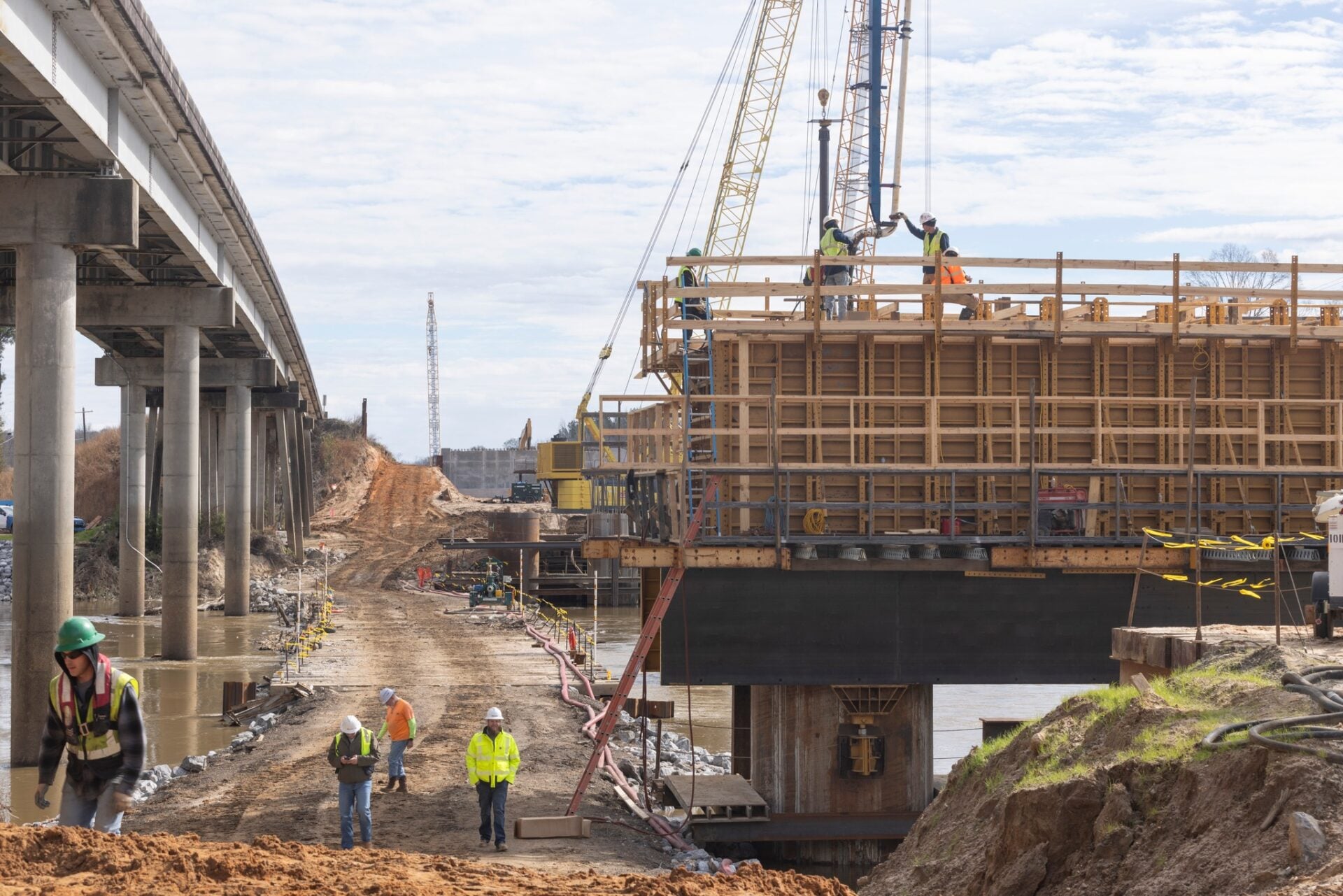

When most people think about water infrastructure, they picture treatment plants, pump stations, water tanks, and miles of underground pipe. What often goes unseen is the technology that allows utility operators to monitor and control all those assets twenty-four hours a day, seven days a week.
That technology is called a Supervisory Control and Data Acquisition (SCADA) system and serve as the operational backbone of modern water and wastewater utilities.
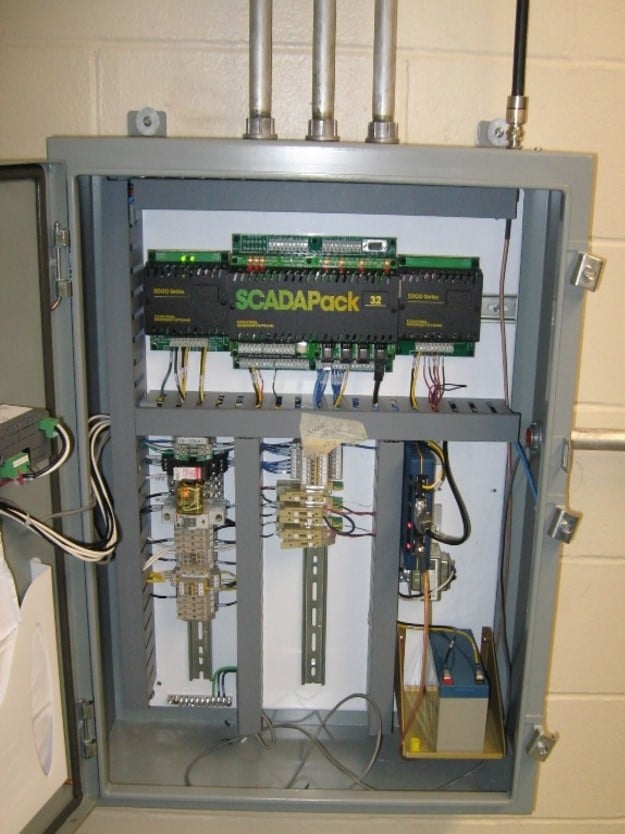
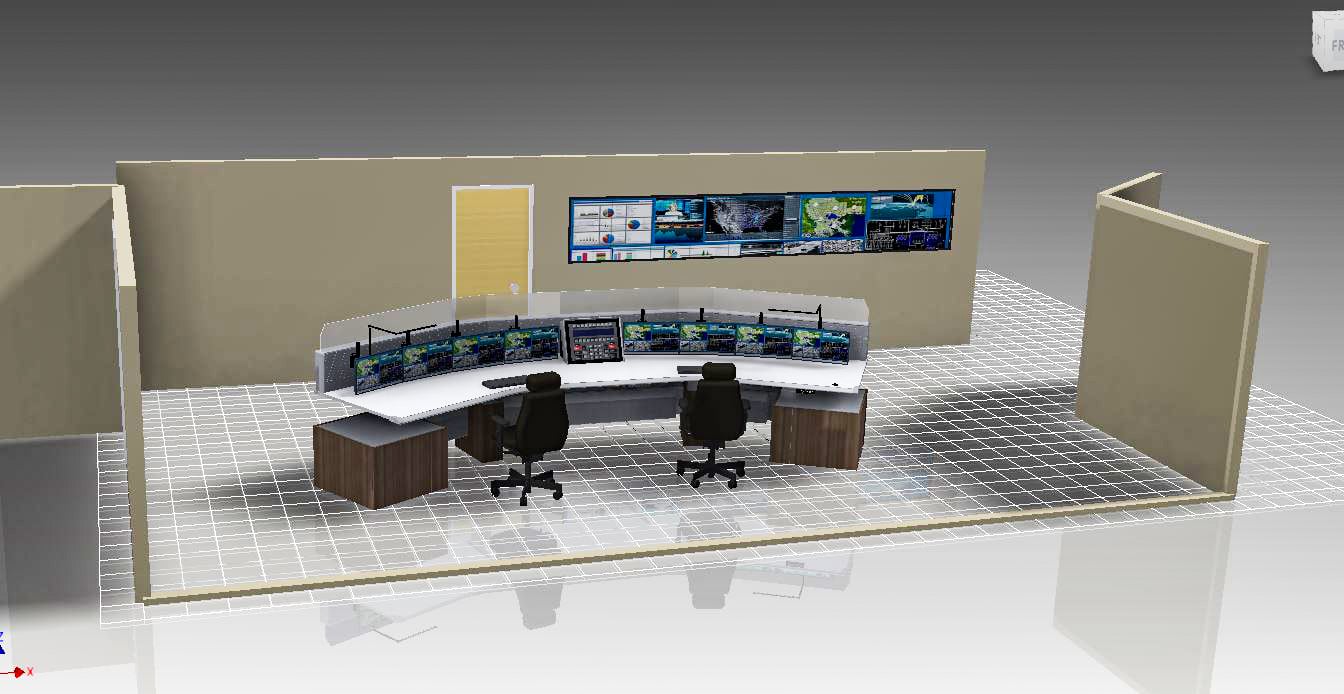
They allow operators to monitor water levels, pressures, flows, water quality parameters, treatment processes, and equipment status from a centralized location. Rather than dispatching staff to dozens of remote facilities to collect information or manually operate equipment, utilities can make informed decisions using real-time data.
You could say that SCADA acts as the eyes, ears, and nervous system of a utility.
Without these systems, utilities would have significantly less visibility into their operations, making it more difficult to maintain reliable service, respond to emergencies, and optimize performance.
The average person expects clean drinking water to be available whenever they turn on a faucet. Likewise, they expect wastewater systems to operate without interruption.
Behind those expectations are thousands of automated decisions occurring every day.
Did You Know?
- A typical water utility may monitor and control hundreds or even thousands of devices through its SCADA system.
- Operators can often view and control facilities located many miles away from a central operations center.
- Modern treatment plants generate large amounts of operational data that can be used to improve efficiency, reliability, and asset management.
- Cybersecurity is now a standard consideration in utility automation projects, just as safety and reliability have always been.
SCADA systems help operators detect equipment problems before they become service outages. They provide alarms when abnormal conditions occur, automatically start and stop pumps, maintain tank levels, and help operators quickly respond to emergencies such as water main breaks, power outages, equipment failures, or severe weather events.
As utilities face aging infrastructure, staffing challenges, increasing regulatory requirements, and growing customer expectations, automation has become an essential tool for maintaining reliable operations.
While SCADA is often associated with computers and control rooms, successful utility automation requires much more than software.
A modern SCADA system incorporates electrical systems, instrumentation, communications networks, cybersecurity, process controls, and operational procedures. Bringing these systems together requires coordination among multiple engineering disciplines and a deep understanding of how water and wastewater facilities operate.
The ultimate goal is not simply automation, it’s helping operators make better decisions and maintain safe, reliable service for the communities they support.
In recent years, cybersecurity has become one of the most important considerations for water and wastewater utilities.
Historically, utility control systems operated on isolated networks. Today, utilities increasingly use remote access technologies, mobile devices, cloud-based tools, and connectivity with business systems to improve efficiency and support operations.
While these technologies provide substantial benefits, they also require utilities to carefully manage cyber risks.
Recent incidents involving water sector infrastructure have highlighted the importance of protecting operational technology systems from unauthorized access and cyber threats. For utilities, cybersecurity is no longer solely an information technology issue. It is an infrastructure resilience issue.
Just as utilities invest in backup generators, redundant pumps, and emergency response plans, they must also invest in protecting the control systems that operate their facilities.
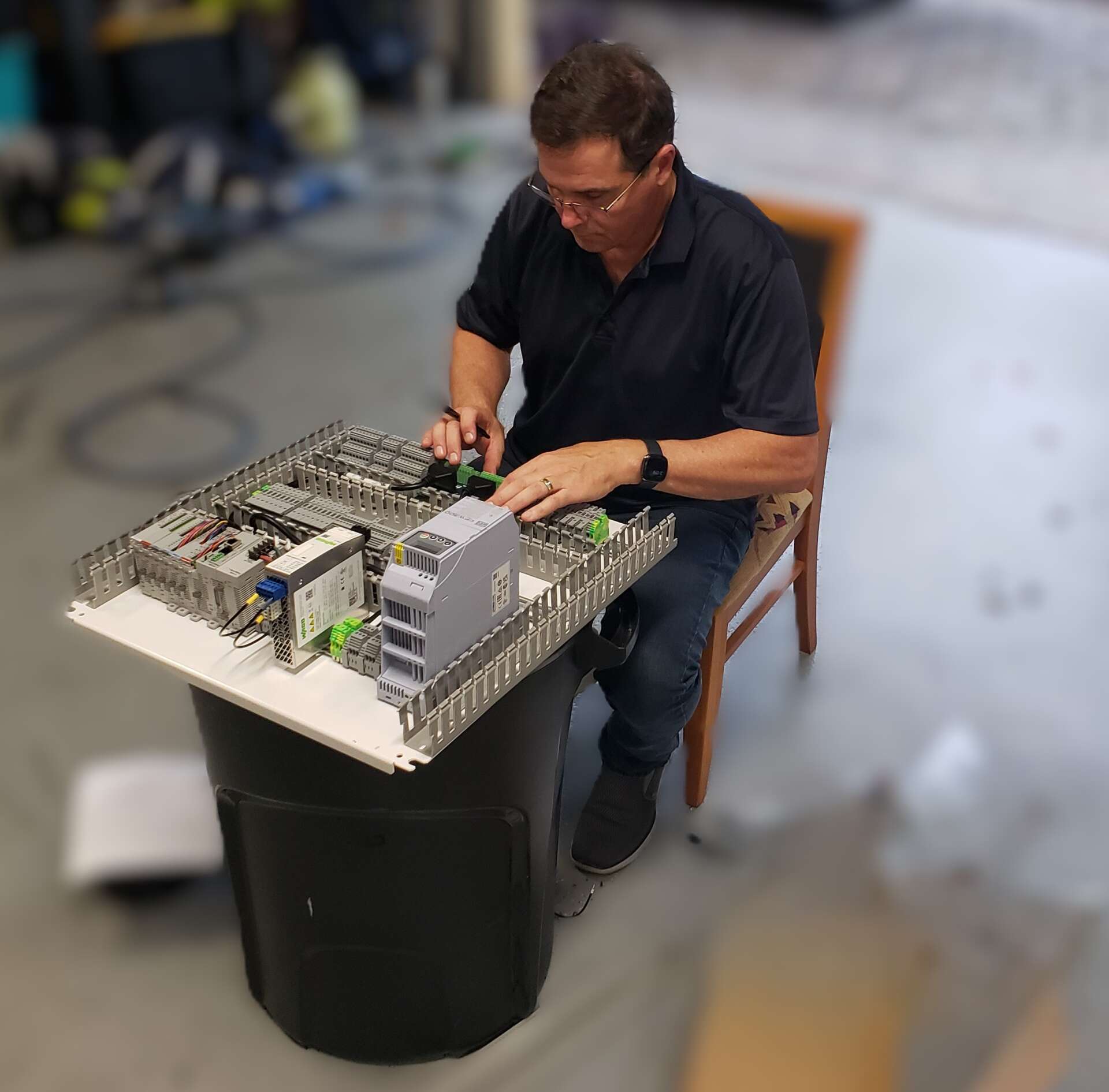
The water industry has experienced significant technological advancement over the past several decades.
Early SCADA systems often provided limited information and relatively simple graphics. Today’s systems incorporate High Performance HMI principles, advanced alarm management strategies, data analytics, and reporting tools designed to improve operator awareness and decision-making.
These improvements allow utilities to operate more efficiently while helping reduce alarm fatigue, improve response during abnormal events, and enhance overall system reliability.
As utilities continue adopting digital technologies, automation systems will play an even greater role in helping address future operational challenges.
At RK&K, we are proud to support water and wastewater clients through the planning, design, and implementation of automation and control systems. Our experience includes instrumentation, control system design, SCADA master planning, communications networks, cybersecurity considerations, and operational improvements for utility facilities.
By combining our traditional infrastructure expertise with modern automation technologies, RK&K helps utilities improve reliability, resiliency, and operational efficiency while continuing to provide critical services to the communities they serve.
Meet the Experts
Dean Foote, PE, RCDD
Manager, Electrical I&C
 Dean has more than 30 years of experience in the design and implementation of electrical, instrumentation, control, and SCADA systems for water and wastewater utilities. He has presented at numerous industry conferences on SCADA systems, High Performance HMI design, Alarm Management, and cybersecurity. Dean previously served on the Pennsylvania AWWA Cybersecurity Committee and currently serves as Chair of the Florida Section AWWA Automation Committee.
Tim Bollinger
Manager, Electrical I&C
 Tim has over 47 years of experience providing electrical design for mid-size and smaller water and wastewater treatment and pumping facilities. His expertise includes study and design of electrical systems, I&C systems, and SCADA systems. He has performed instrumentation and process control system design for treatment plants and pumping stations, including VFDs, PLC systems, SCADA systems, remote telemetry, computer systems, and HMI software. As part of the design process, he prepares detailed P&ID drawings and process descriptions of operations.
You might also be interested in:
Blog

Value Engineering: A Strategic Advantage in Modern Infrastructure Delivery