The Project
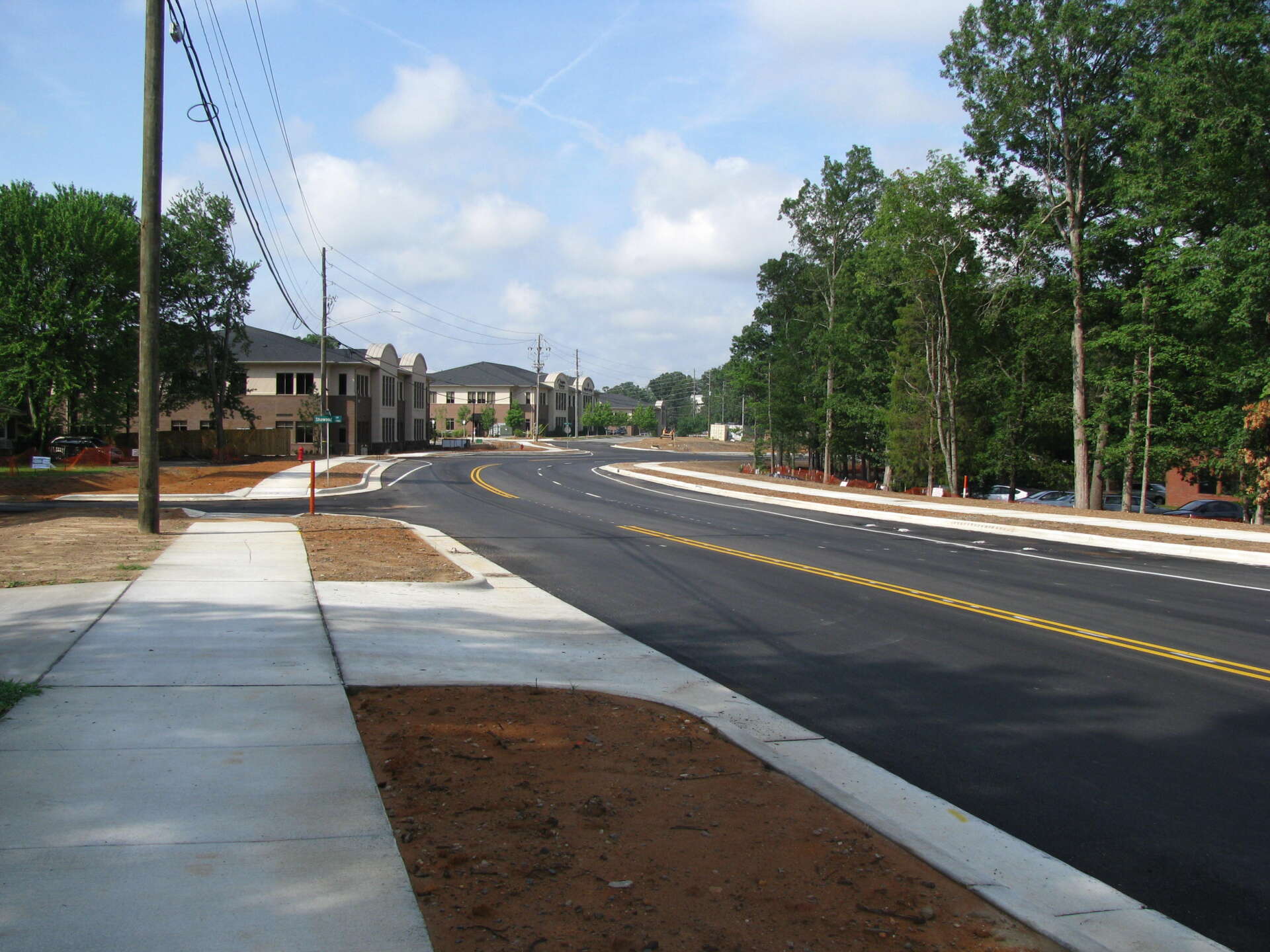
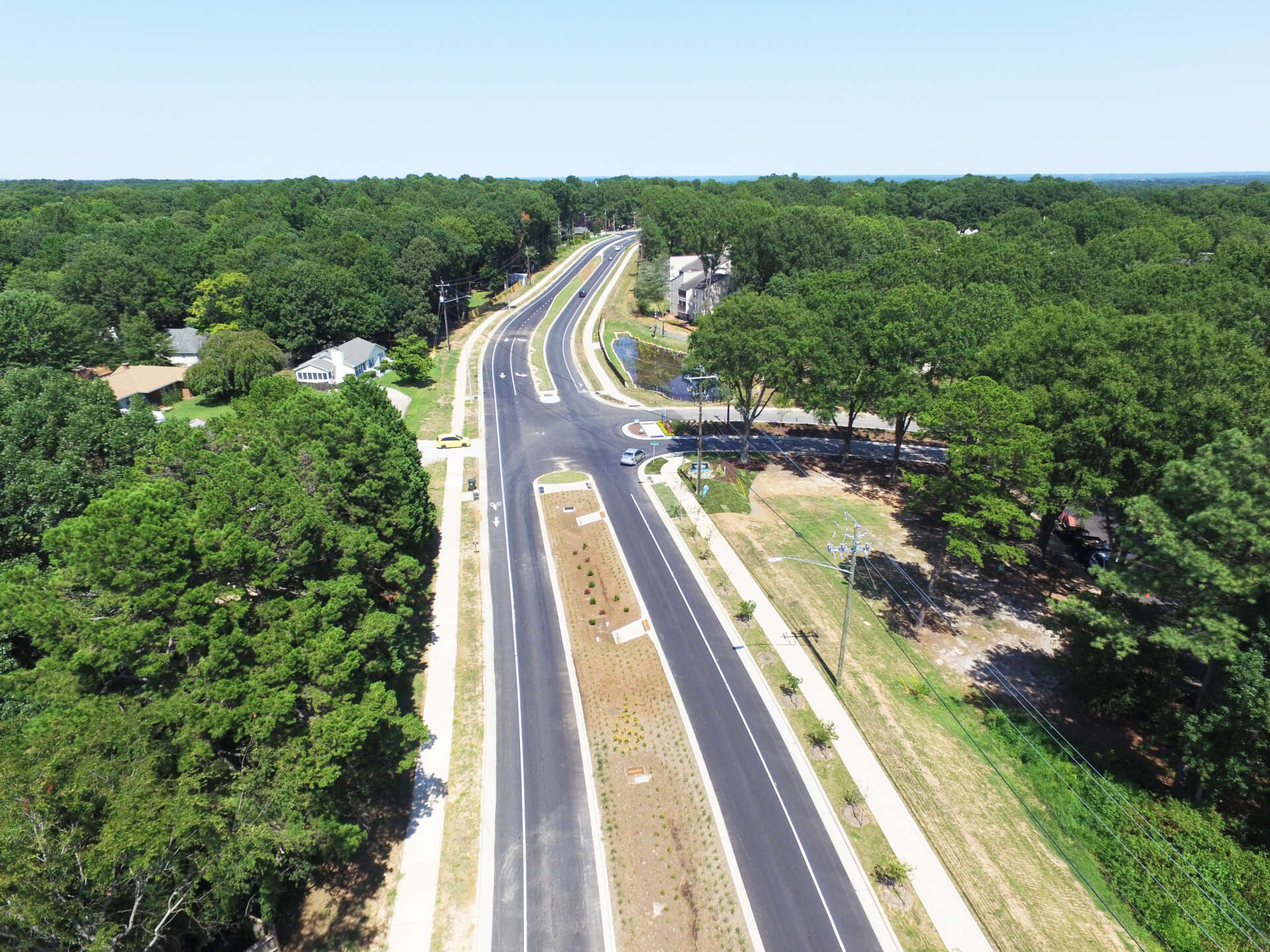
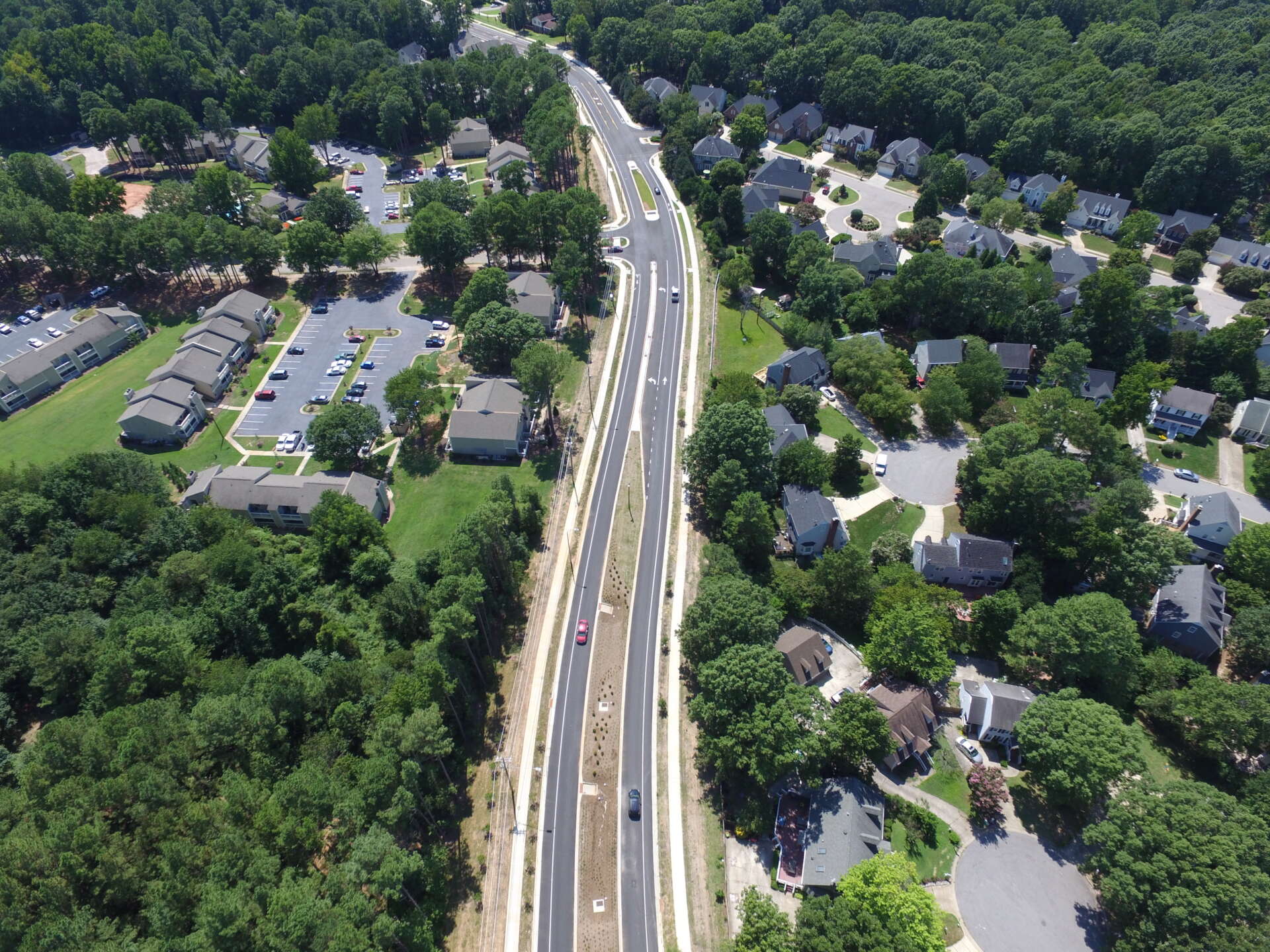
RK&K designed the widening and rehabilitation of Sandy Forks Road between Six Forks Road and Falls of Neuse Road. This long-awaited roadway project converts a narrow, crumbling stretch of pavement and a popular shortcut between Falls of Neuse and Six Forks Road into a pedestrian and bike-friendly thoroughfare. Working as a true partner of City of Raleigh staff, RK&K exceeded project expectations and objectives of improving traffic capacity and congestion, enhancing pedestrian connectivity, improving safety, and providing this thoroughfare with a multimodal solution between the residential and retail/business districts at each end of the corridor.
The scope of work included engineering design, surveying, subsurface utility engineering, right-of-way (ROW)/ easement plats, and bidding/contract services to provide construction drawings suitable for letting the project. More specifically, the project included: roadway design, sidewalk design, drainage and erosion control plans, maintenance of traffic (MOT) design, pavement marking and signing design, and utility coordination/relocation plans.
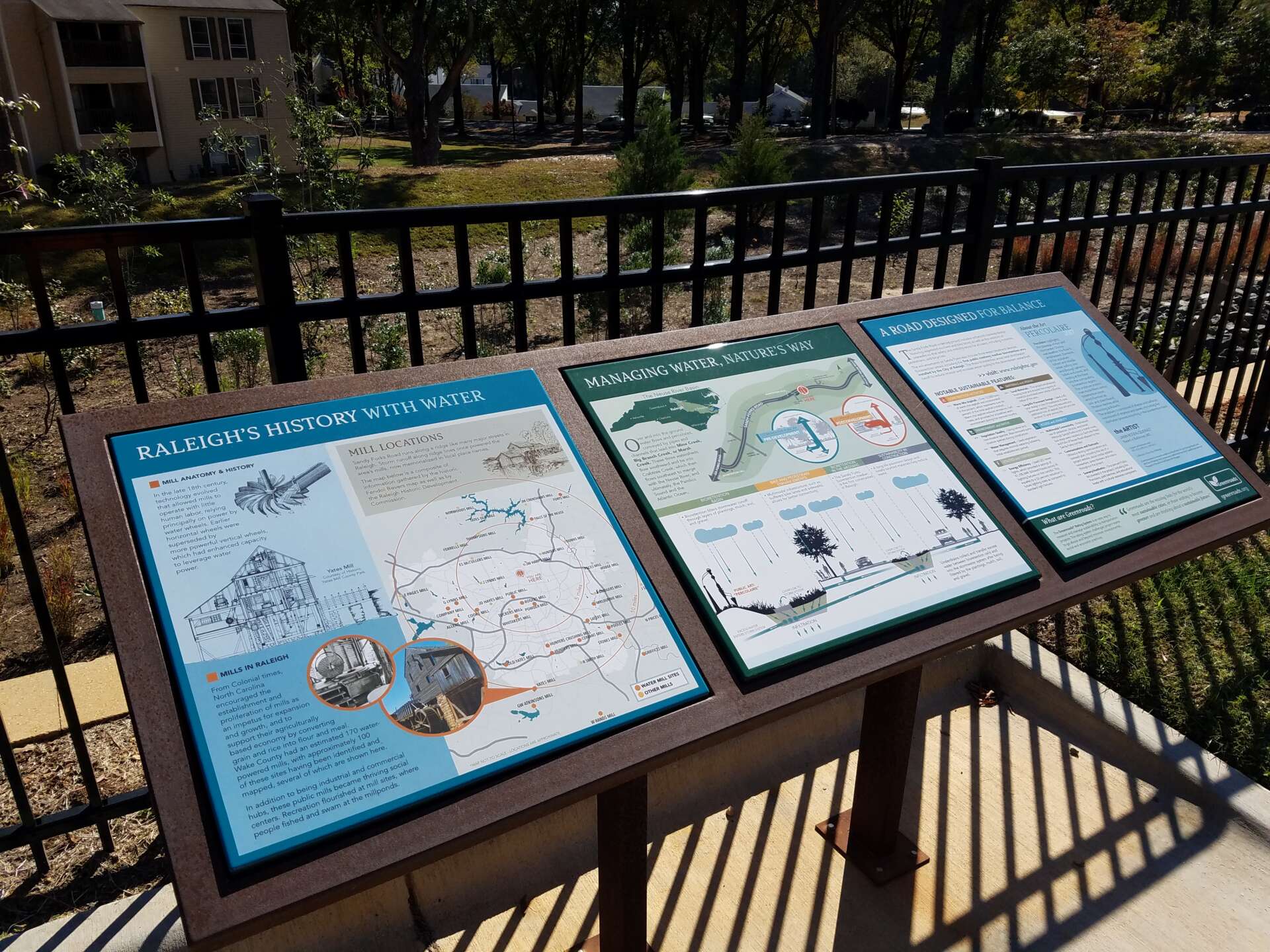
Challenges on this project included finding the right balance between a median-divided and a three-lane undivided roadway, minimizing ROW and utility impacts, and safely and efficiently maintaining traffic during construction. The City of Raleigh Council authorized staff to register this project into the Greenroads® program. Because many initiatives for this project were in line with credits associated with the Greenroads® rating system, the City believed the Sandy Forks Road project would be a good candidate to consider for the program. Working together, RK&K and the City’s engineers implemented cost-effective features that will make Sandy Forks Road an environmentally friendly and long-lasting roadway for all users.
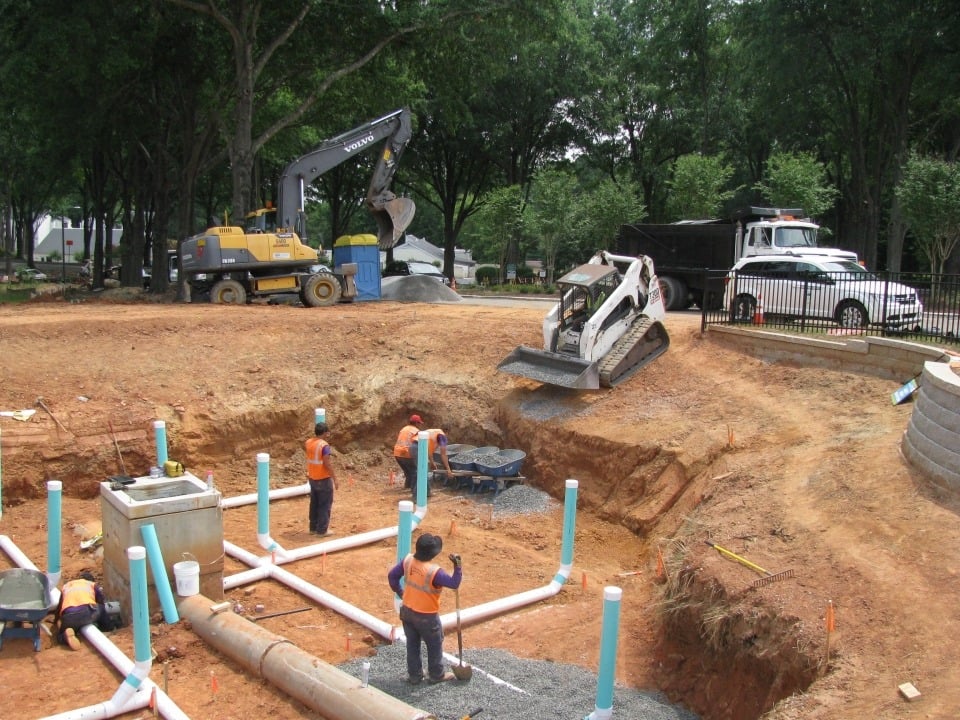
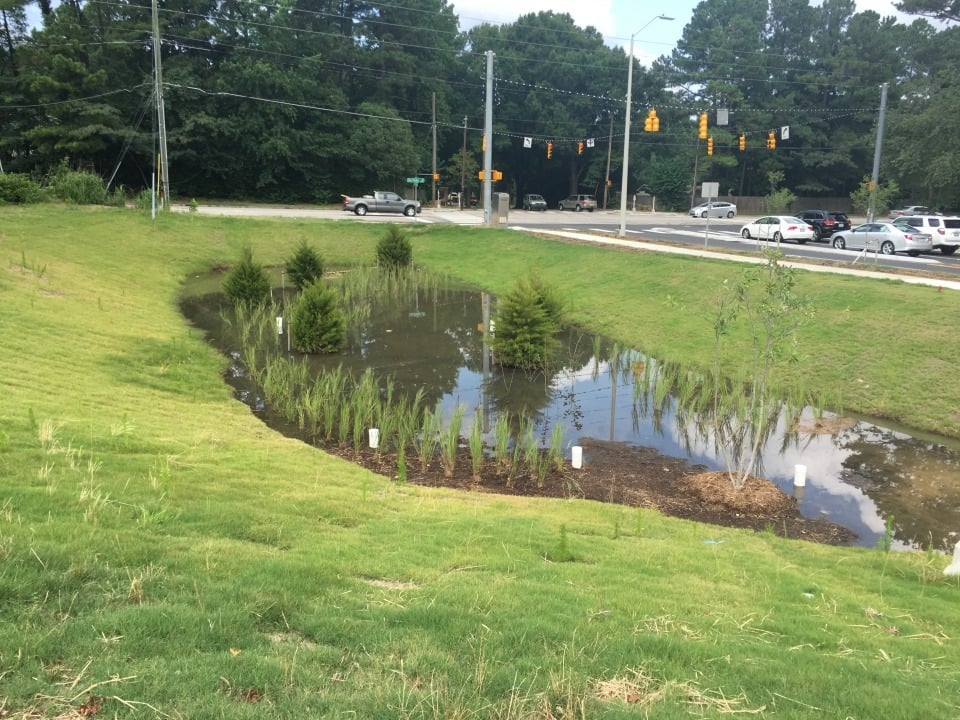
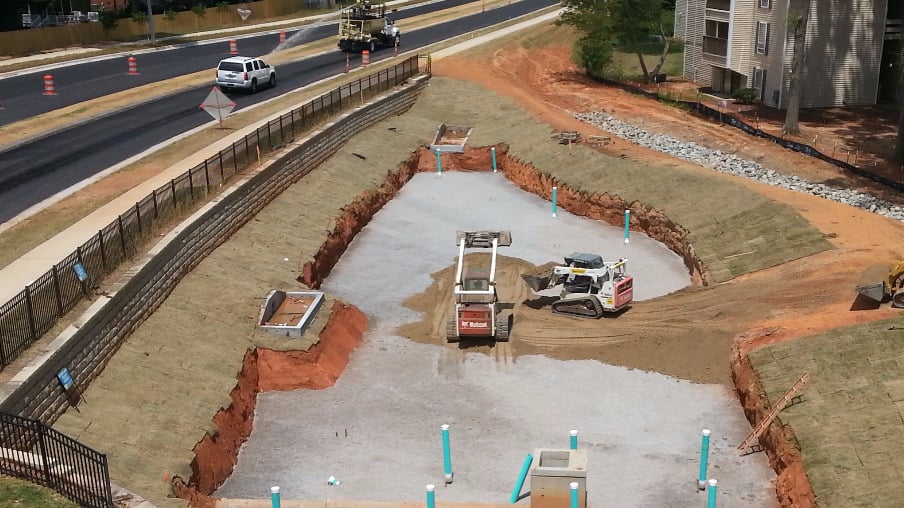
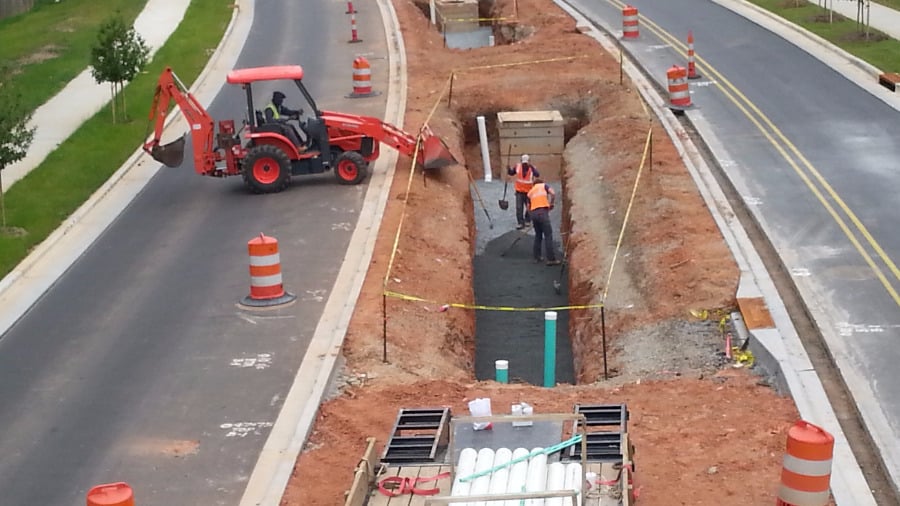
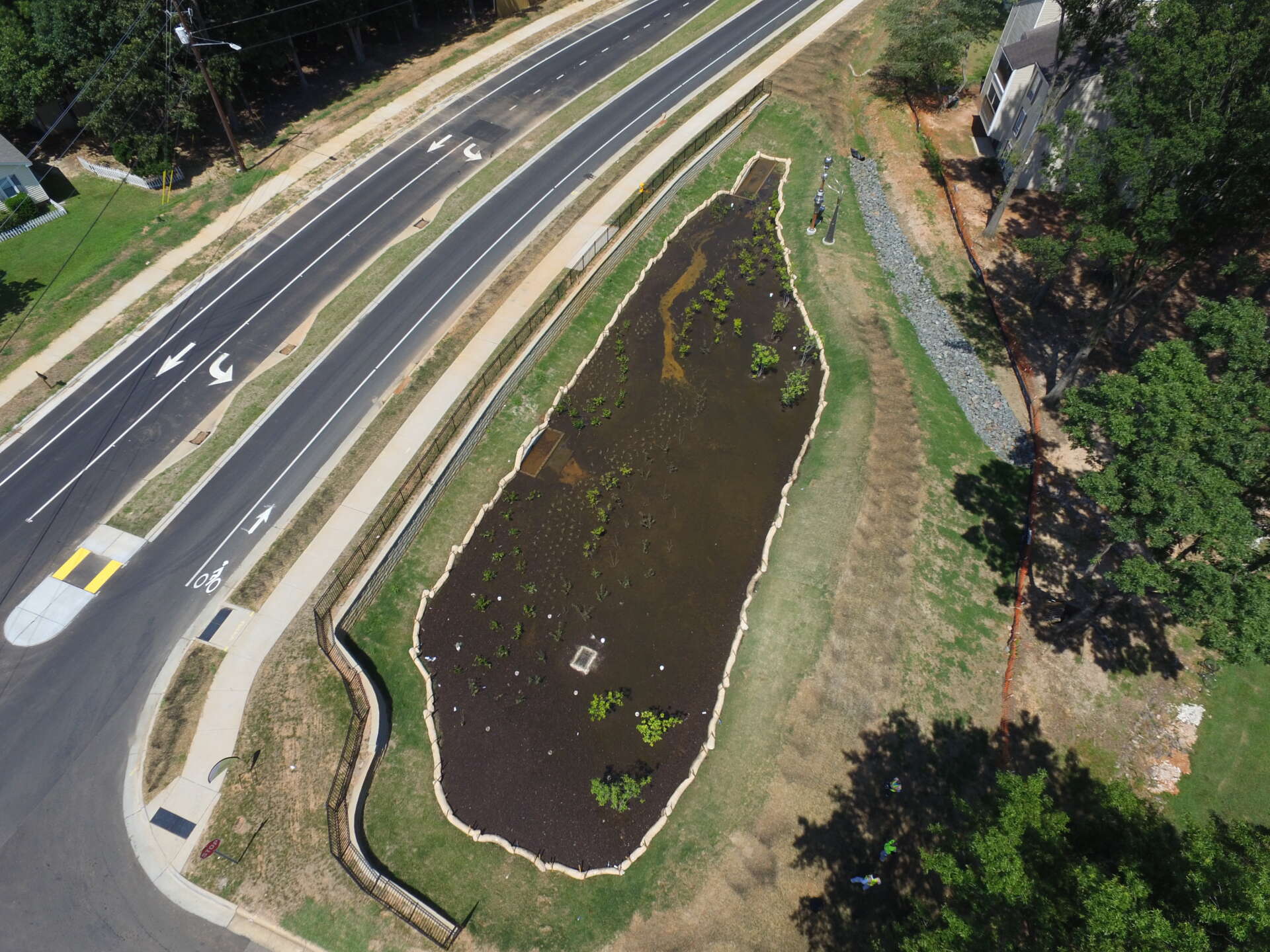
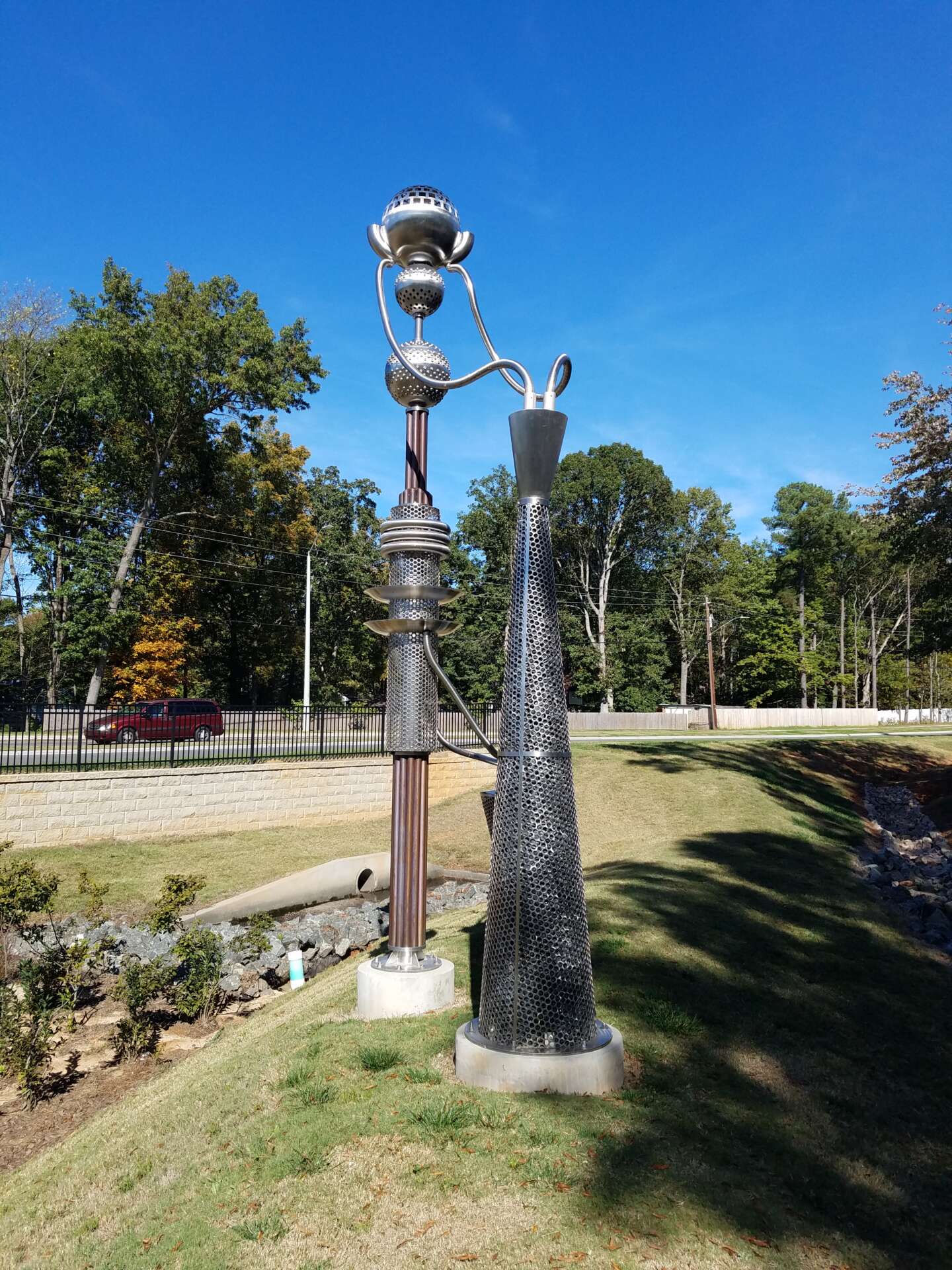
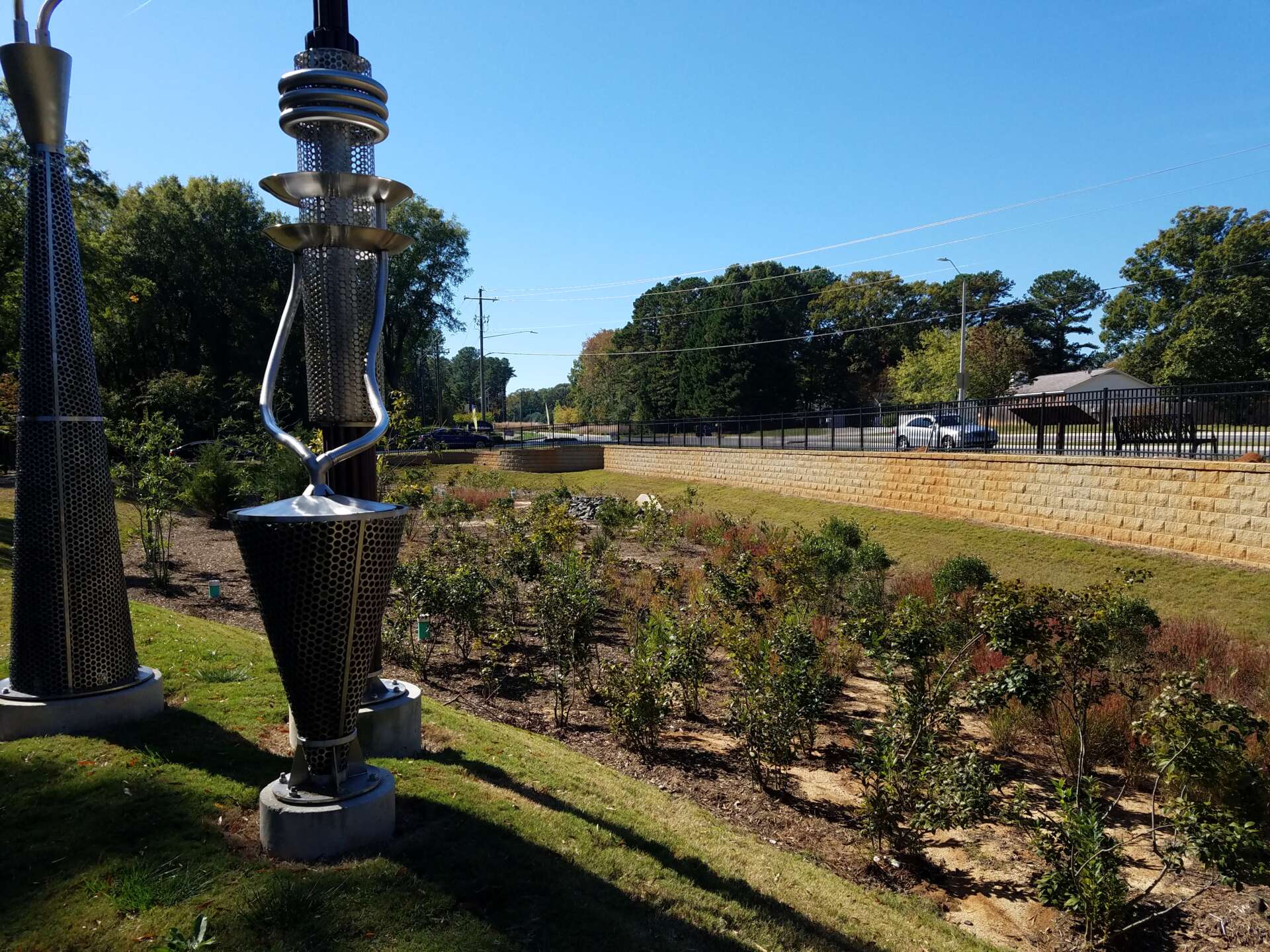
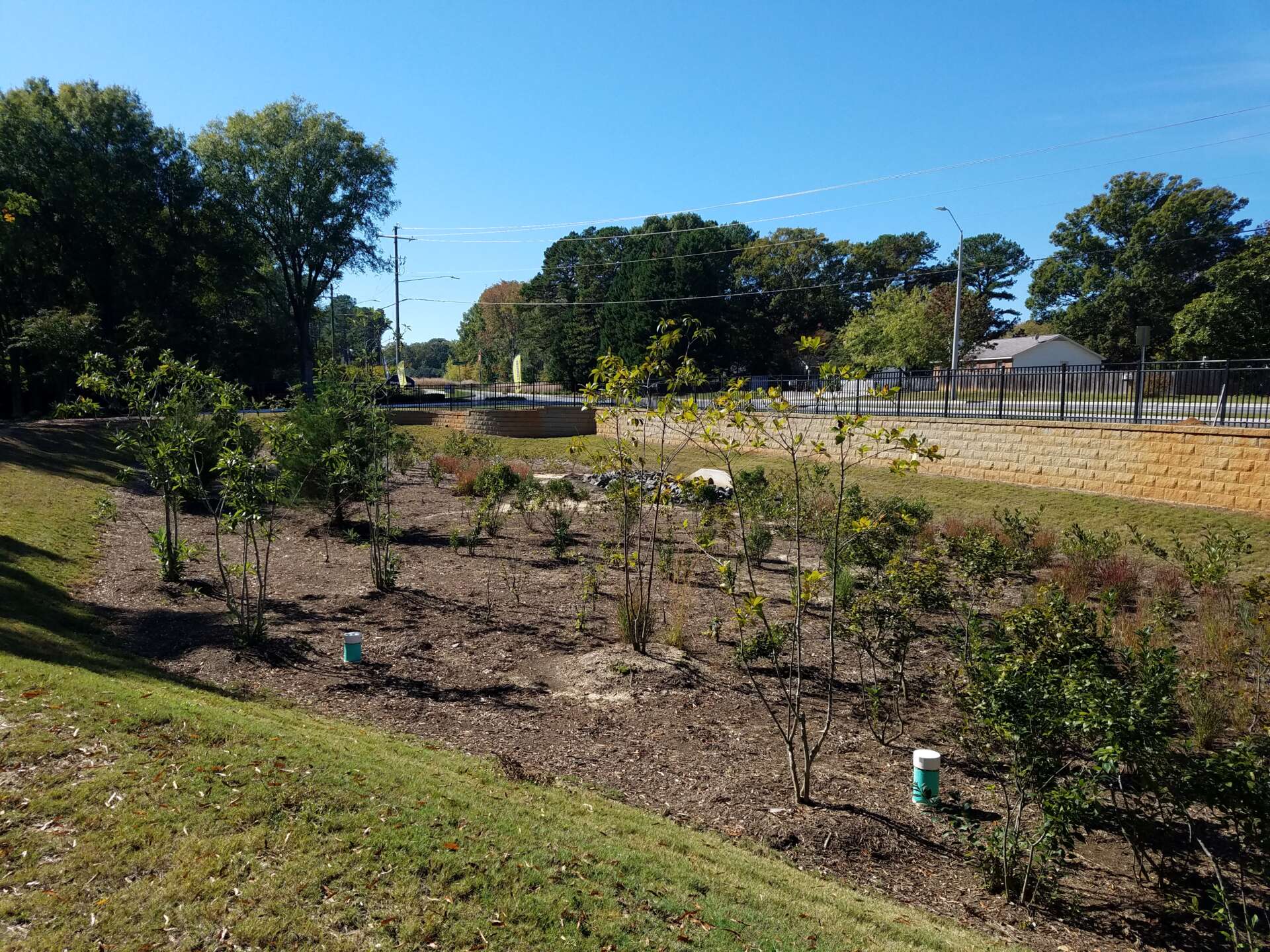
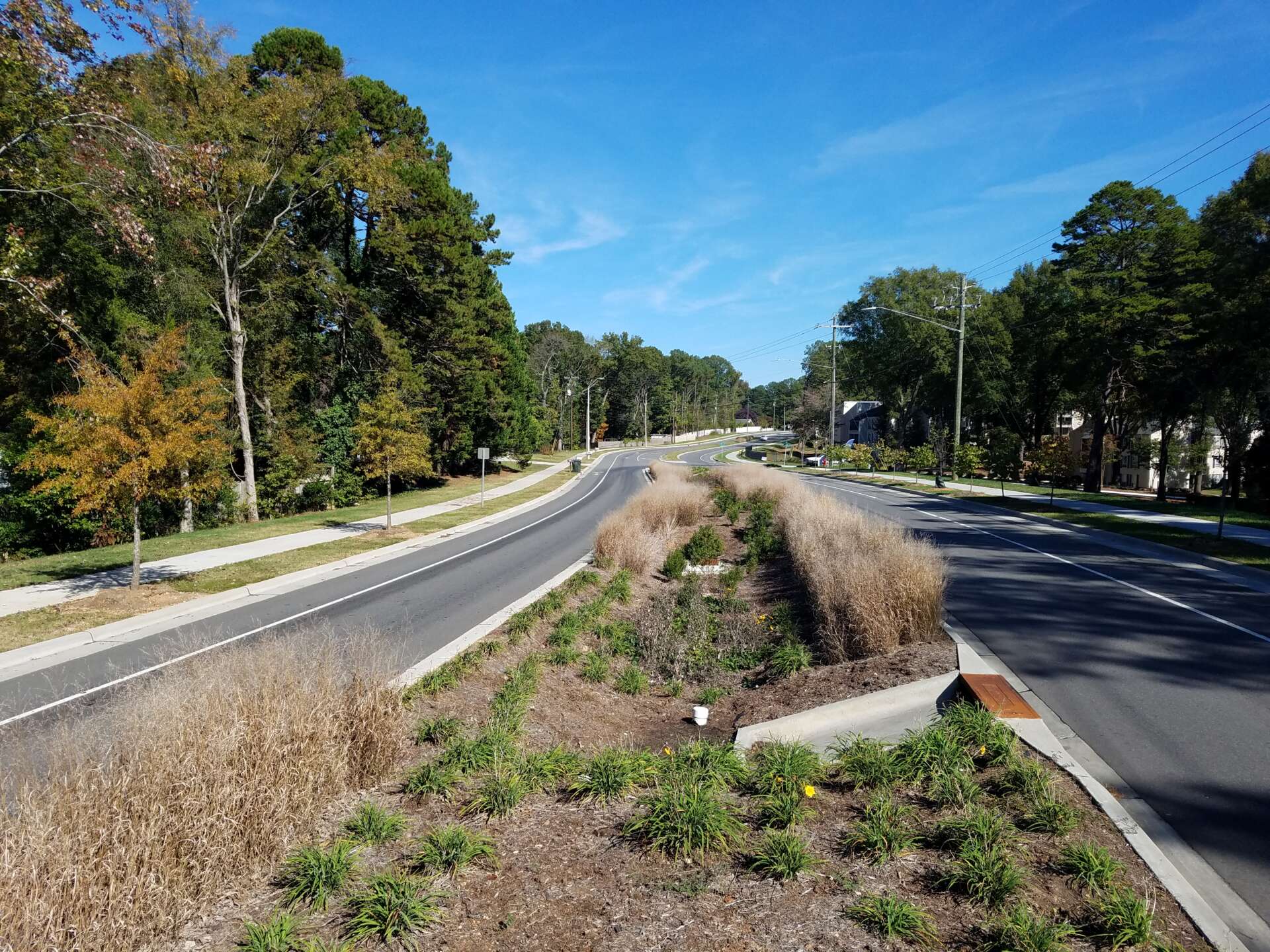
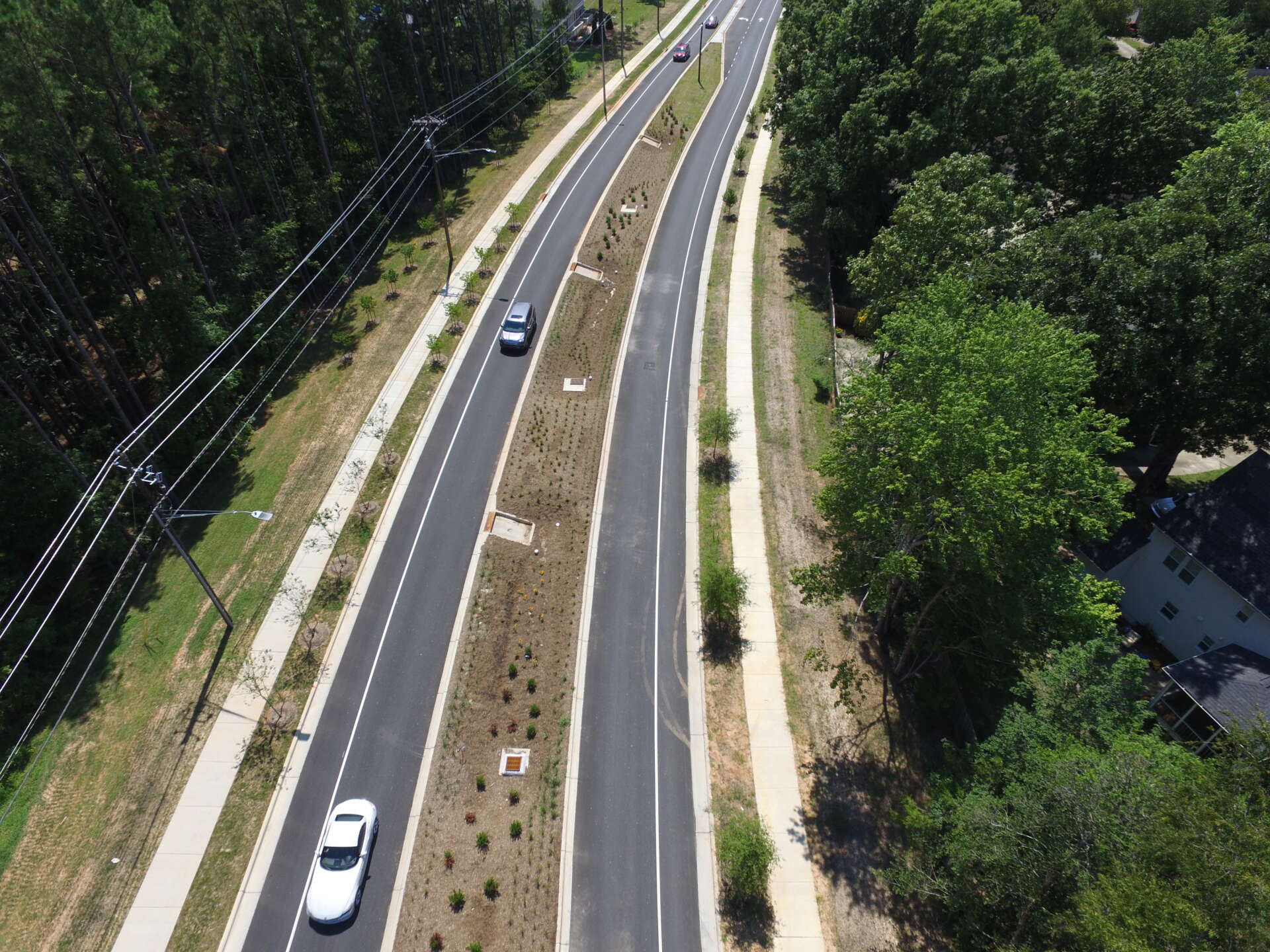
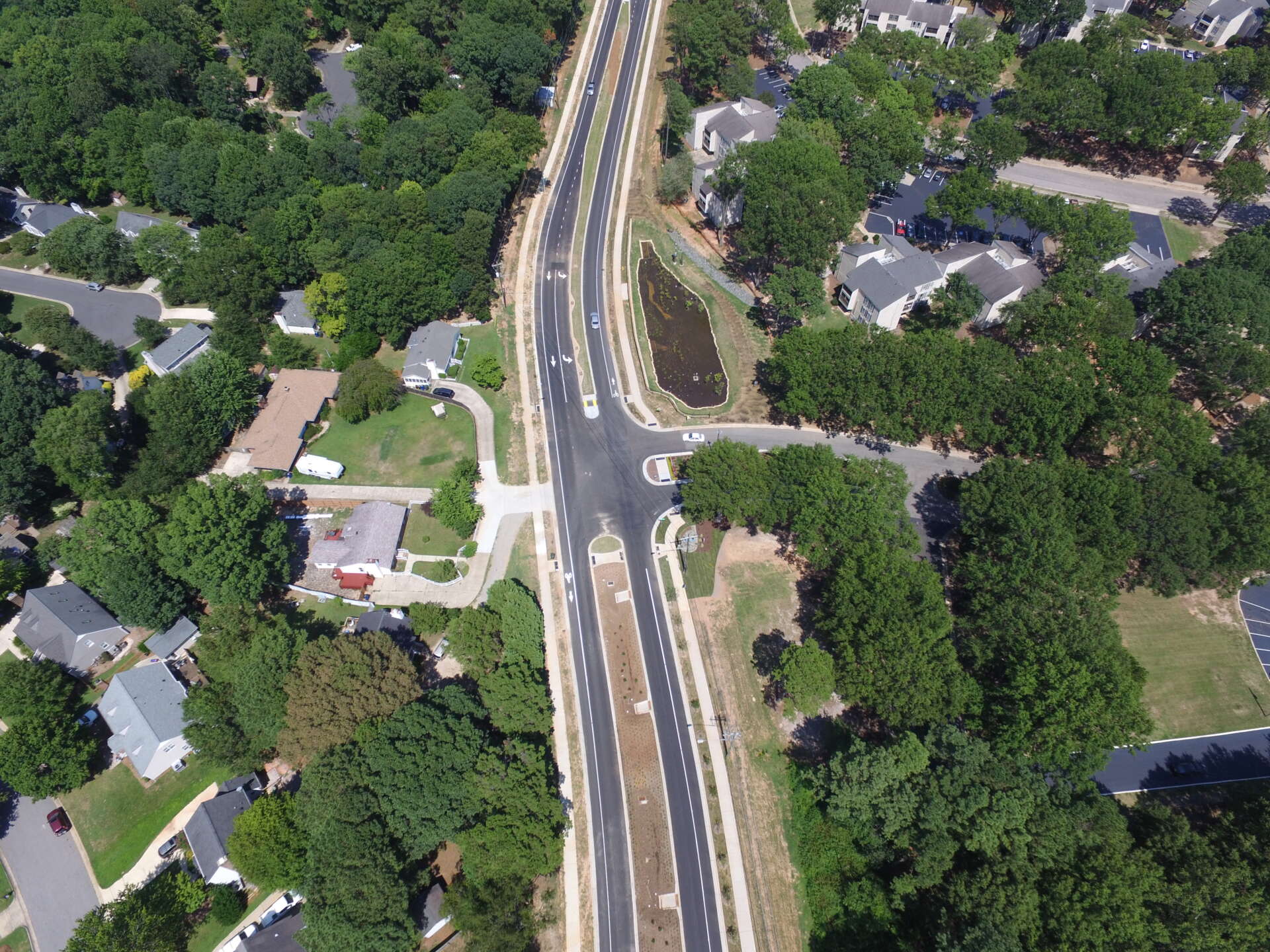
This project included many innovations including three water treatment devices (bio-retention areas) that are the first public roadway median bio-retention areas to be installed by the City of Raleigh. These bio-retention areas treat stormwater runoff to improve water quality to the downstream watershed. The project also included five-foot bicycle lanes and six-foot sidewalks along both sides of the roadway to provide accommodations for both pedestrians and bicyclists. A landscaping plan was also incorporated into the project, and Duke Progress Energy provided a street lighting plan with the use of LED fixtures to reduce energy costs along the completed corridor.
RK&K designed the widening and rehabilitation of Sandy Forks Road between Six Forks Road and Falls of Neuse Road. This long-awaited roadway project converts a narrow, crumbling stretch of pavement and a popular shortcut between Falls of Neuse and Six Forks Road into a pedestrian and bike-friendly thoroughfare. Working as a true partner of City of Raleigh staff, RK&K exceeded project expectations and objectives of improving traffic capacity and congestion, enhancing pedestrian connectivity, improving safety, and providing this thoroughfare with a multimodal solution between the residential and retail/business districts at each end of the corridor.
The scope of work included engineering design, surveying, subsurface utility engineering, right-of-way (ROW)/ easement plats, and bidding/contract services to provide construction drawings suitable for letting the project. More specifically, the project included: roadway design, sidewalk design, drainage and erosion control plans, maintenance of traffic (MOT) design, pavement marking and signing design, and utility coordination/relocation plans.
Challenges on this project included finding the right balance between a median-divided and a three-lane undivided roadway, minimizing ROW and utility impacts, and safely and efficiently maintaining traffic during construction. The City of Raleigh Council authorized staff to register this project into the Greenroads® program. Because many initiatives for this project were in line with credits associated with the Greenroads® rating system, the City believed the Sandy Forks Road project would be a good candidate to consider for the program. Working together, RK&K and the City’s engineers implemented cost-effective features that will make Sandy Forks Road an environmentally friendly and long-lasting roadway for all users.
This project included many innovations including three water treatment devices (bio-retention areas) that are the first public roadway median bio-retention areas to be installed by the City of Raleigh. These bio-retention areas treat stormwater runoff to improve water quality to the downstream watershed. The project also included five-foot bicycle lanes and six-foot sidewalks along both sides of the roadway to provide accommodations for both pedestrians and bicyclists. A landscaping plan was also incorporated into the project, and Duke Progress Energy provided a street lighting plan with the use of LED fixtures to reduce energy costs along the completed corridor.
Client
Market
- Municipal