
Project
Project Engineer:
Joshua Kahan
The Project
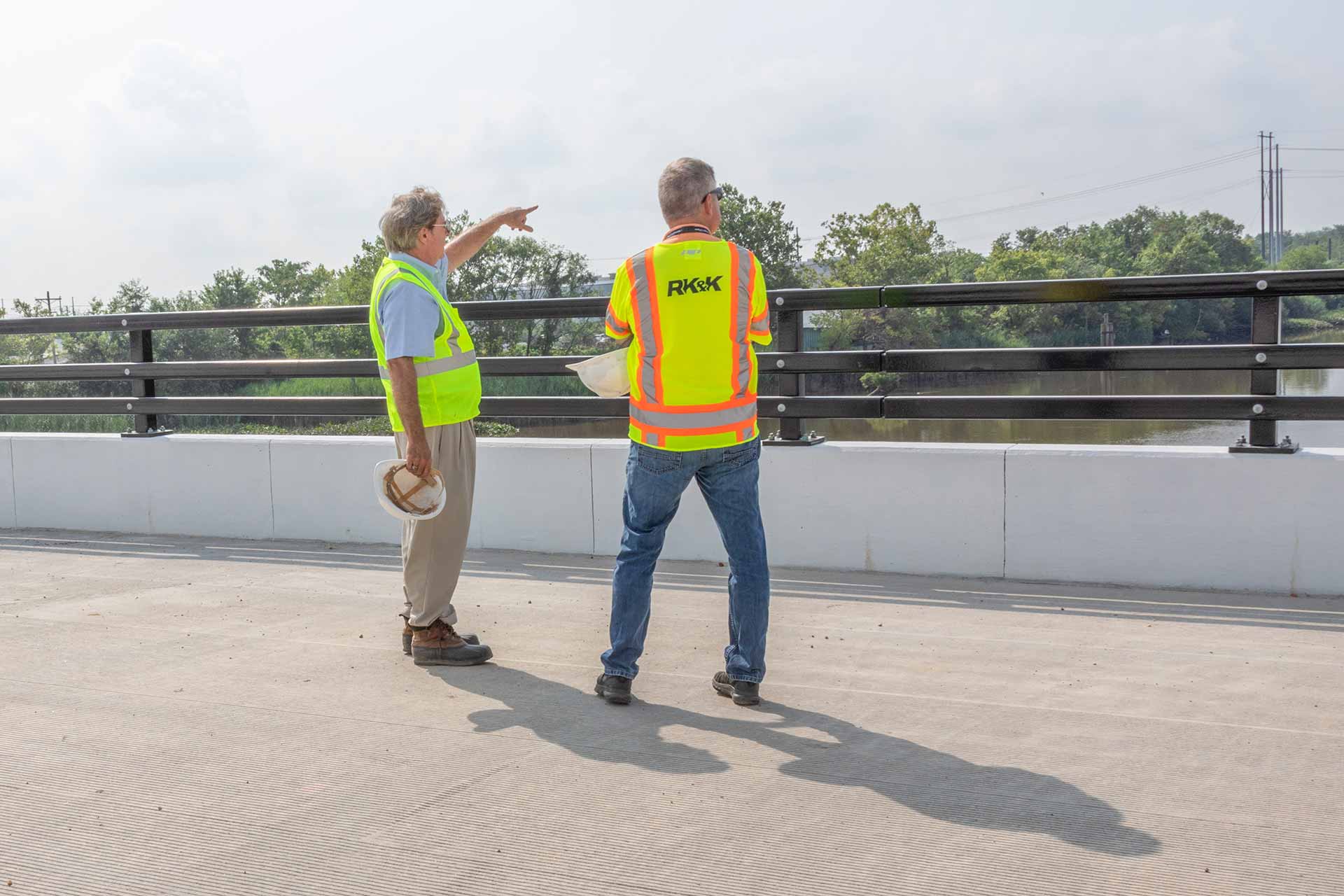
As Engineer of Record, RK&K worked alongside the Delaware Department of Transportation (DelDOT), from development through construction engineering, to complete the Senator Margaret Rose Henry Bridge.
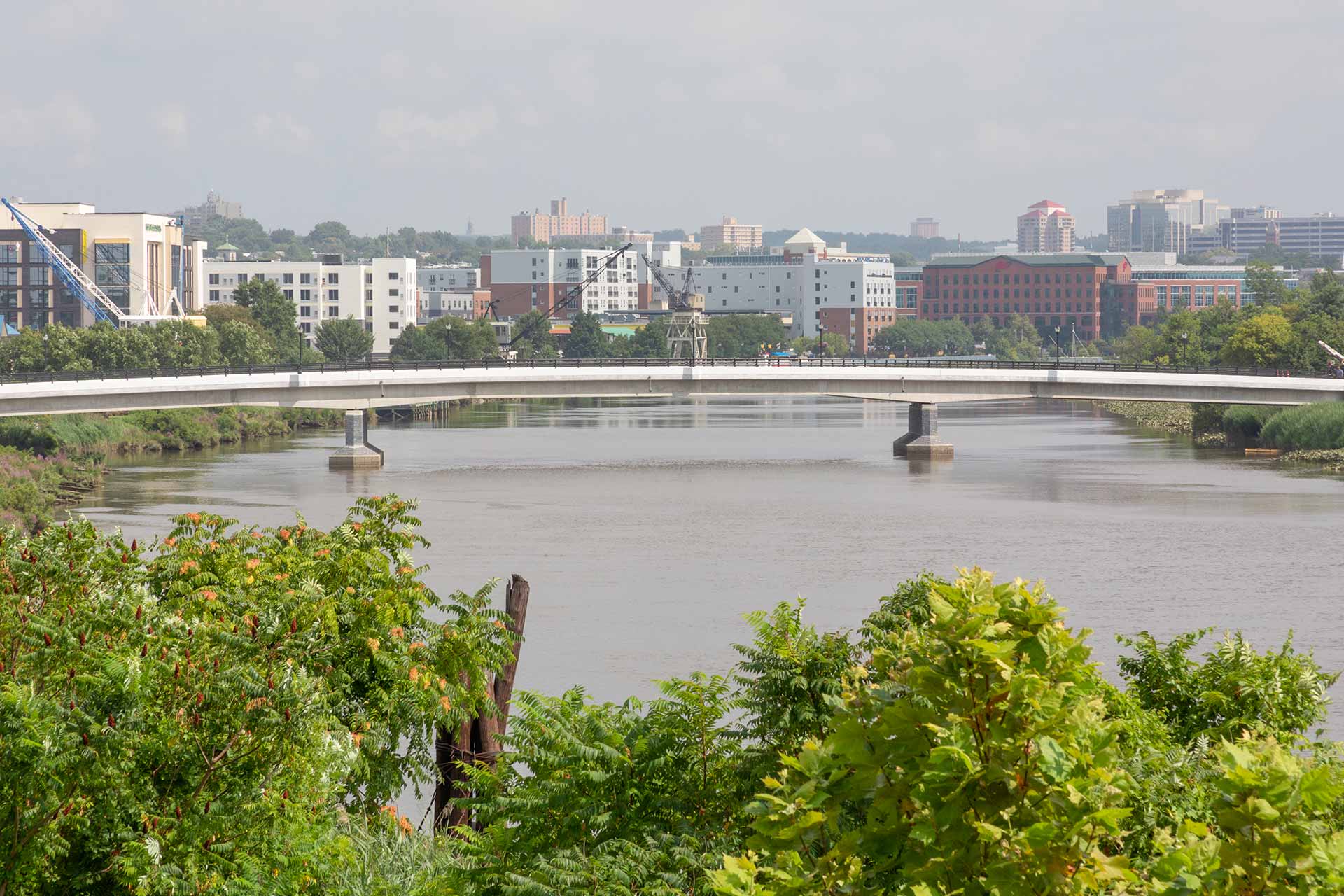
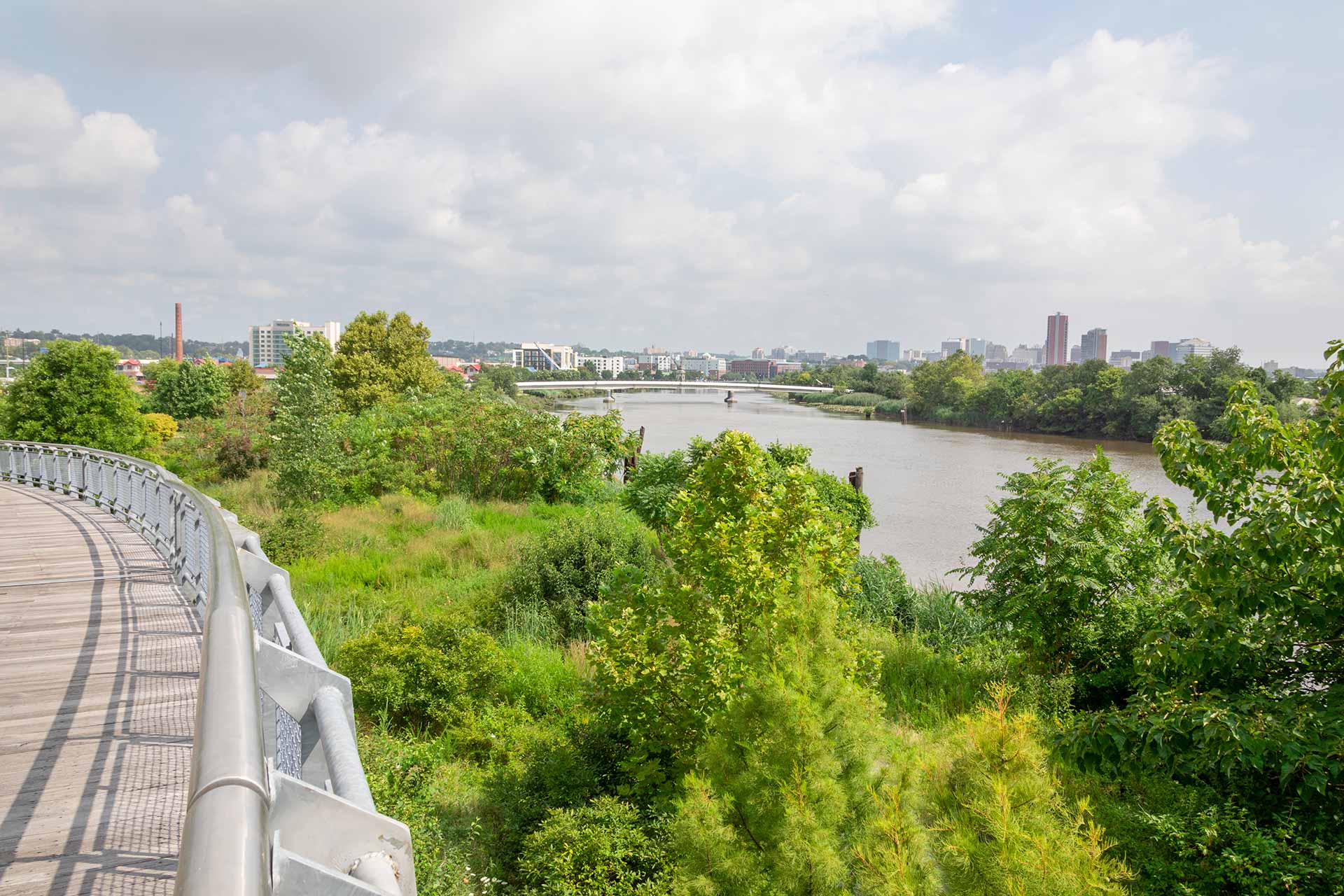
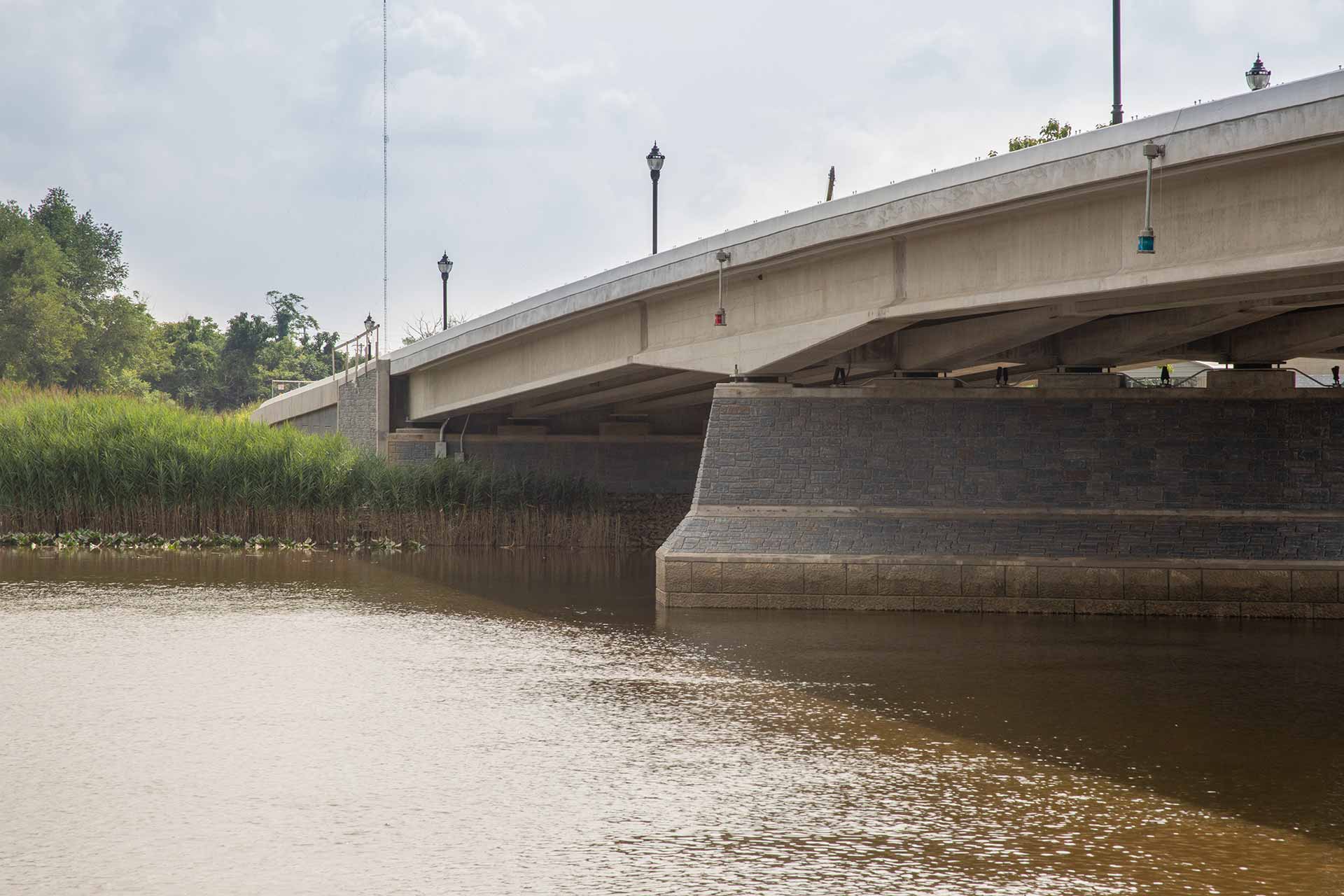
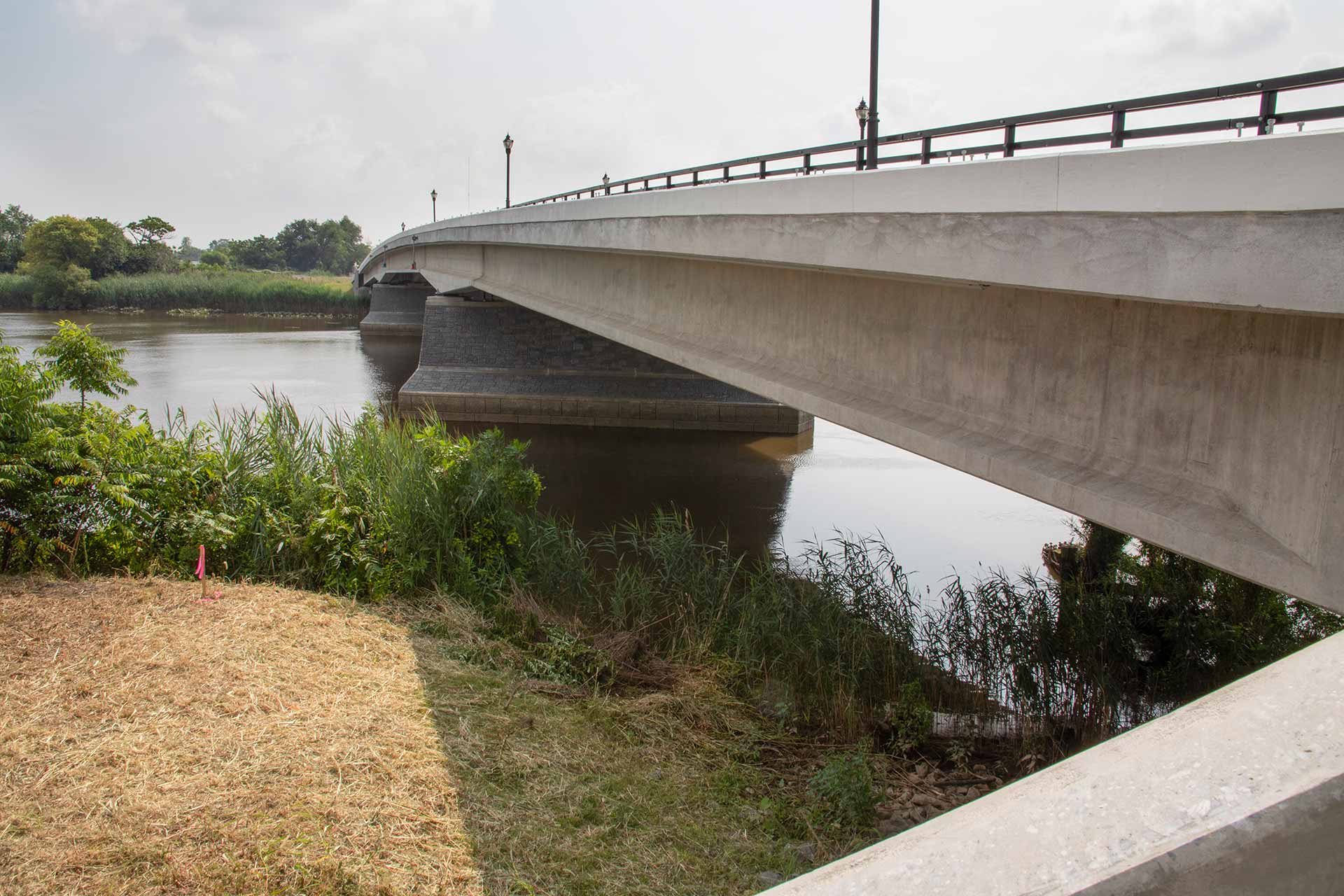
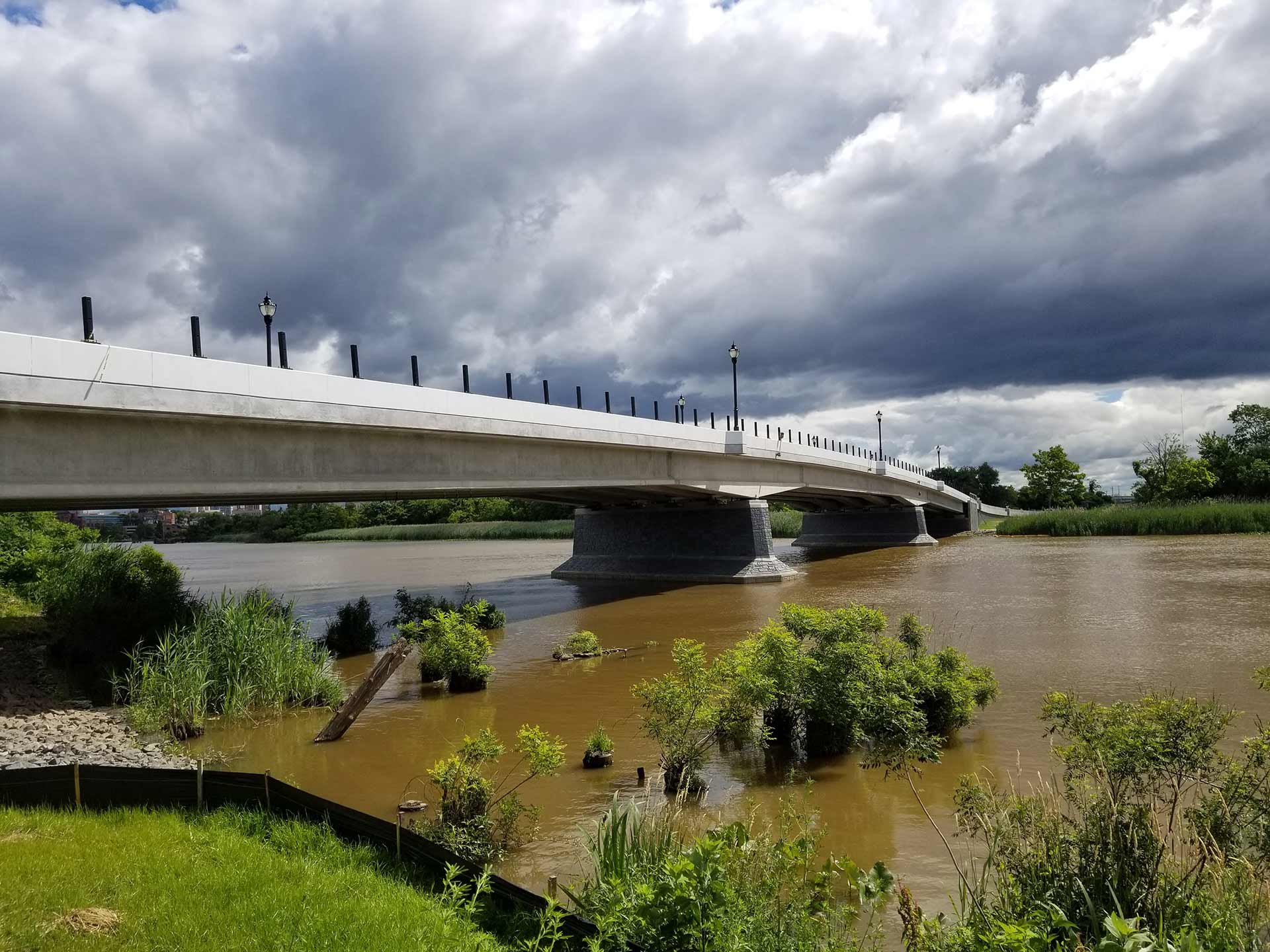
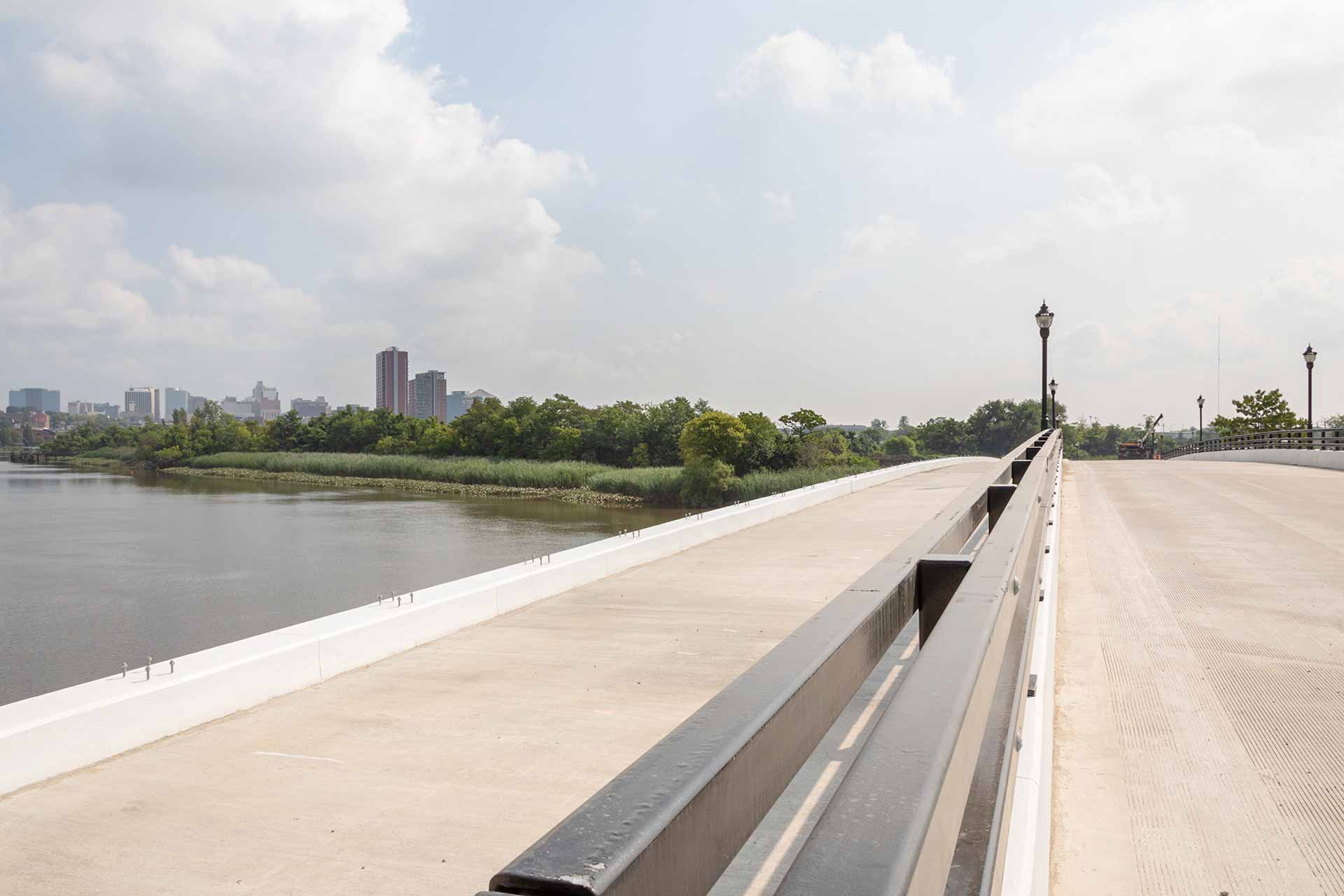
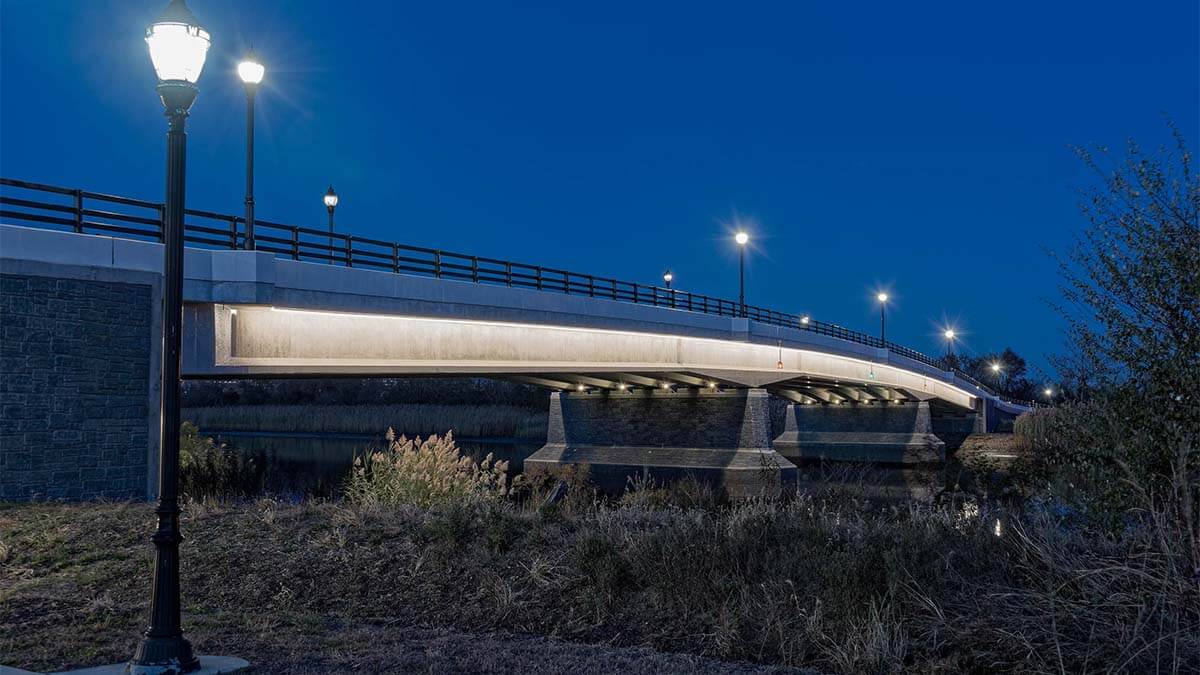
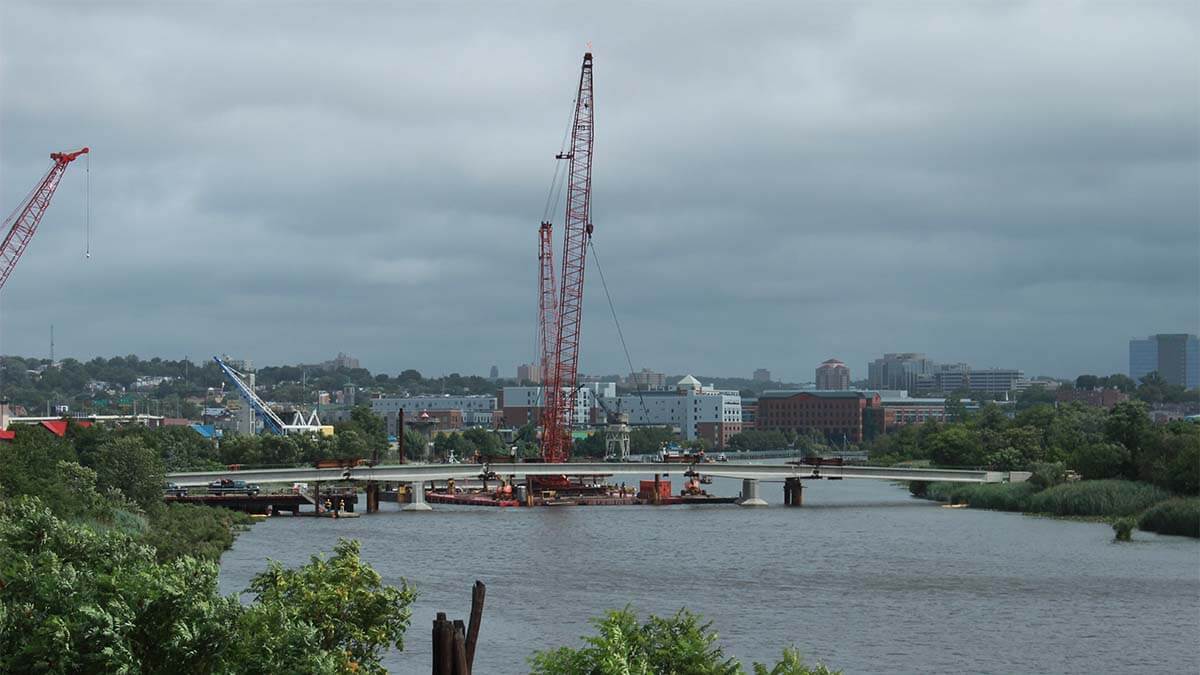
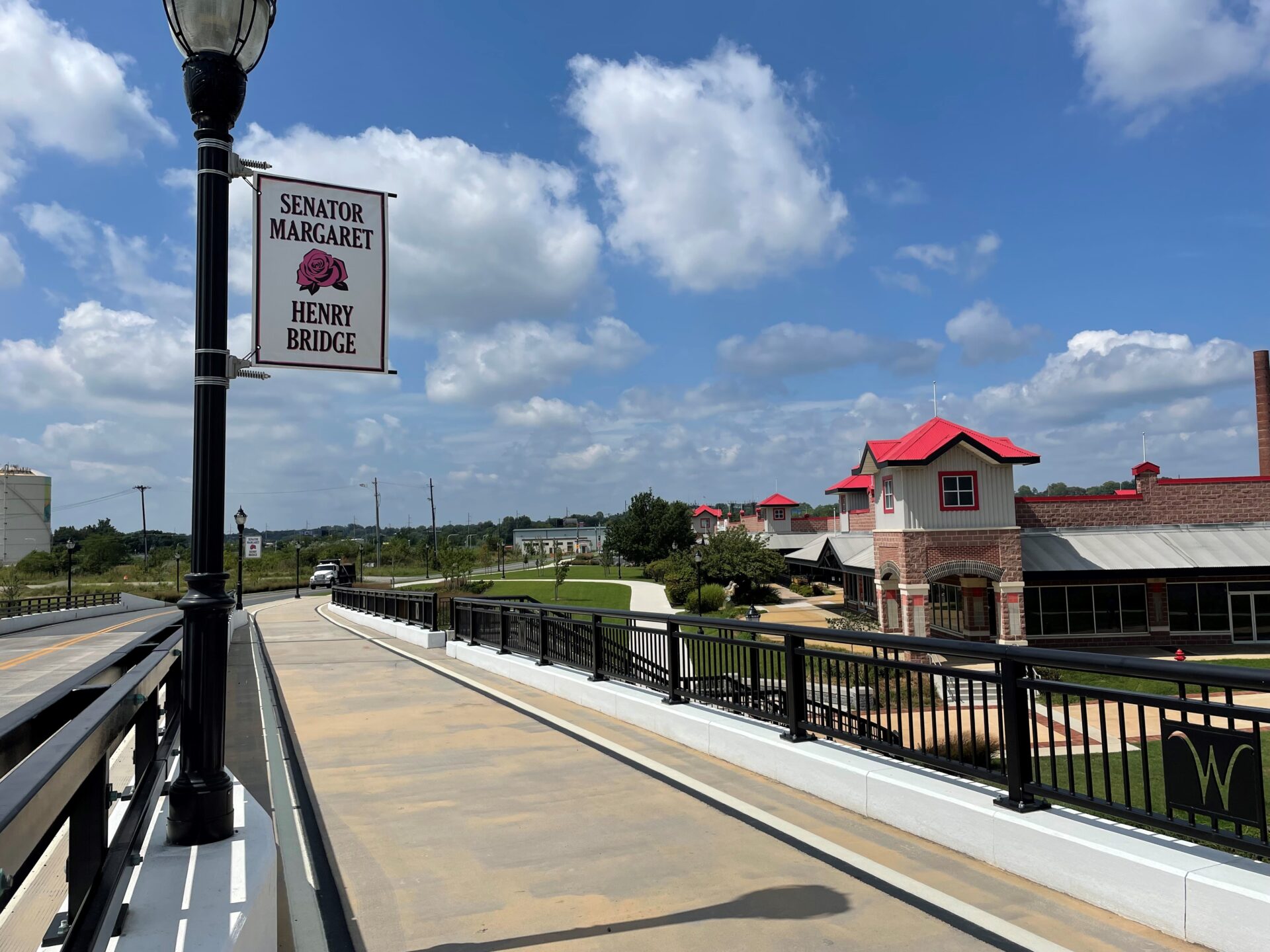
Named after Senator Margaret Rose Henry, the first African American woman elected to the Delaware State Senate, this 470-foot multimodal bridge above the Christina River includes two 11-foot travel lanes and a separated 14-foot-wide bicycle/pedestrian path with more than 1.5 miles of new and improved roads, sidewalks, parking, and drainage.
Through specialized structural and geotechnical design and innovative engineering techniques, many of which were used for the first time in Delaware, the bridge ushered in a new era for the state’s Riverfront and opened the door to additional redevelopment and growth.
RK&K’s work began by advancing the project through the NEPA process, including enterprise architecture documentation; location and needs studies; evaluation of social, economic, and environmental impacts; field investigations; public workshops and individual stakeholder meetings; traffic analyses; alternatives analysis; environmental resource documentation; and cultural coordination. RK&K worked closely with the United States Coast Guard to identify issues related to the horizontal and vertical navigational clearances for existing and future boating needs. The team led the creative effort to document all stakeholder navigation concerns to develop the transportation needs for the crossing. Enhancements and new roadway connections were designed to alleviate traffic congestion and improve mobility and circulation for the Riverfront community by providing direct access to US 13 and I-495. As the project proceeded through DelDOT’s plan development process, the team developed final design and right-of-way plans, utility coordination, traffic control plans, and traffic signal and lighting design.
Stormwater and drainage design elements were integrated into the design. Bioretention facilities and bioswales were integrated into the surrounding public space to provide efficient and effective management of stormwater run-off.
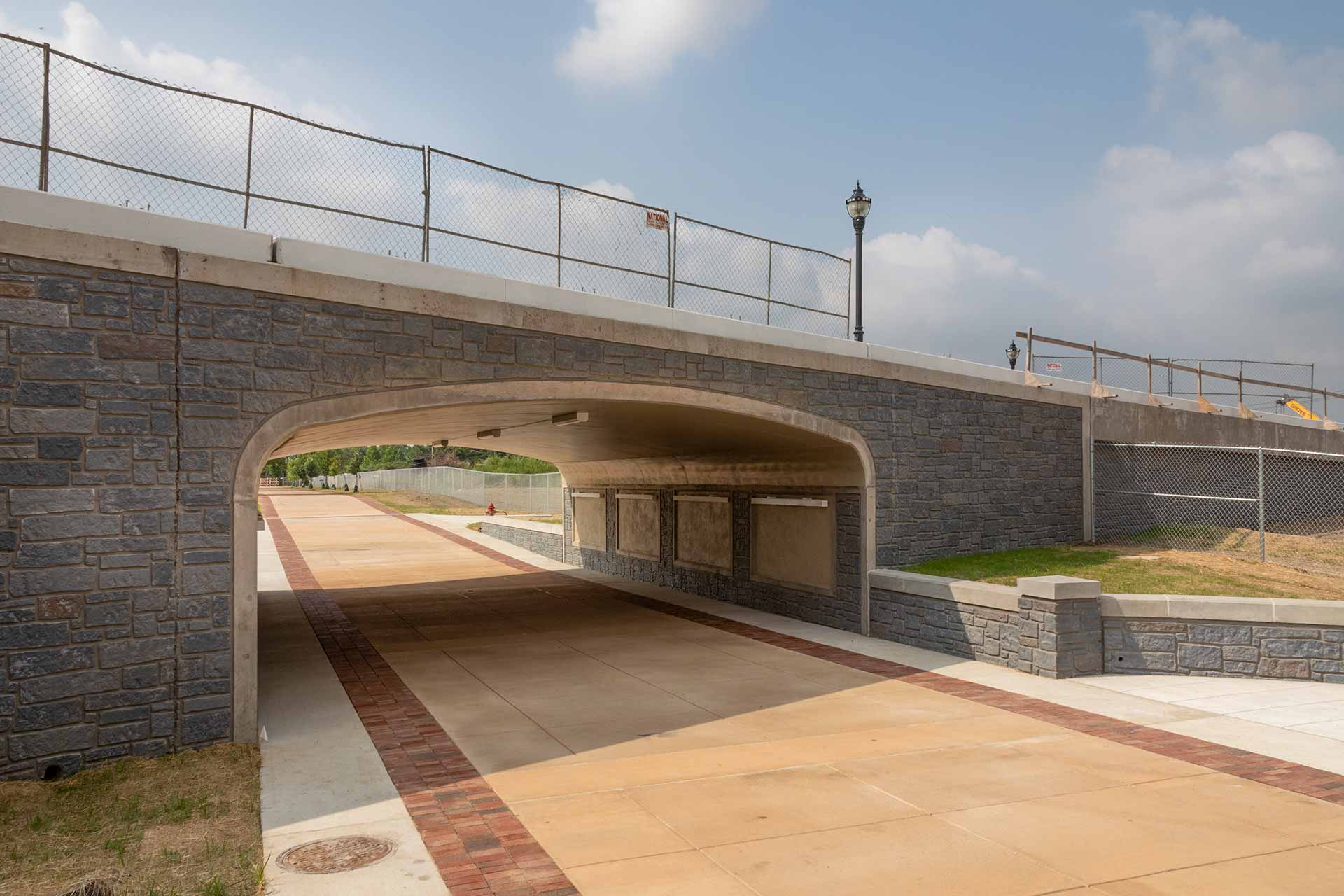
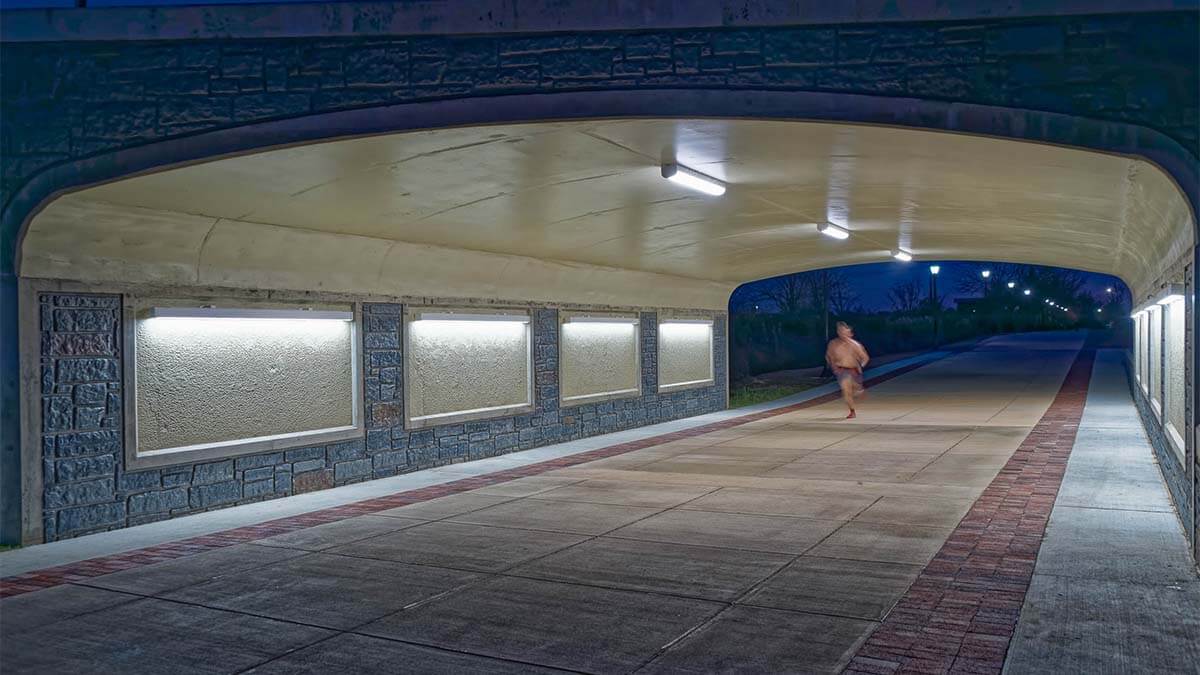
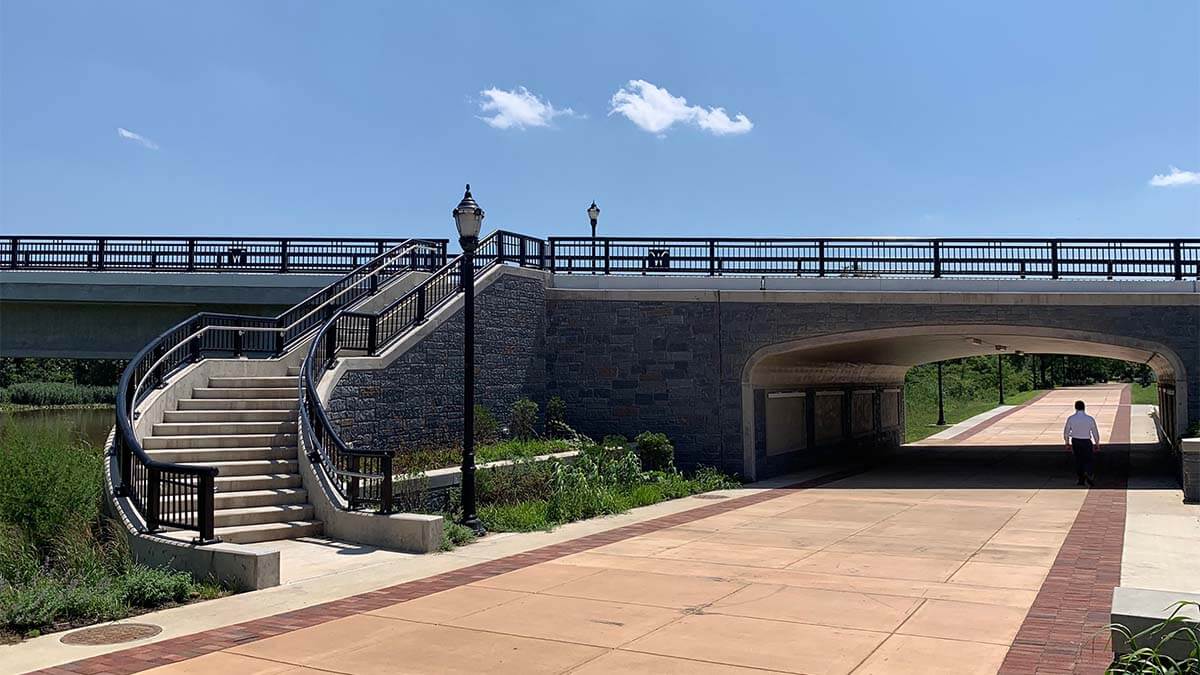
Through all this, the project team consistently considered the project’s most important goals: maintaining and enhancing outdoor amenities and incorporating pedestrian and bicycle facilities on the new bridge, direct and ADA connections to the East Coast Greenway, and 1.75 miles of shared-use path throughout the project limits. This project also involved public open space enhancements, pedestrian lighting and streetscaping, and a creative extension of the existing west bank Riverwalk through the bridge embankment via an underpass structure.
The team also met the project goals of a low-profile bridge, maintenance of river navigation, and incorporation of sea-level rise. The team successfully tackled these challenges by creating a structural design that incorporated potential sea-level rise and a roadway design that raised the profiles above the 10-year storm elevation, improving resilience and safety in the area.
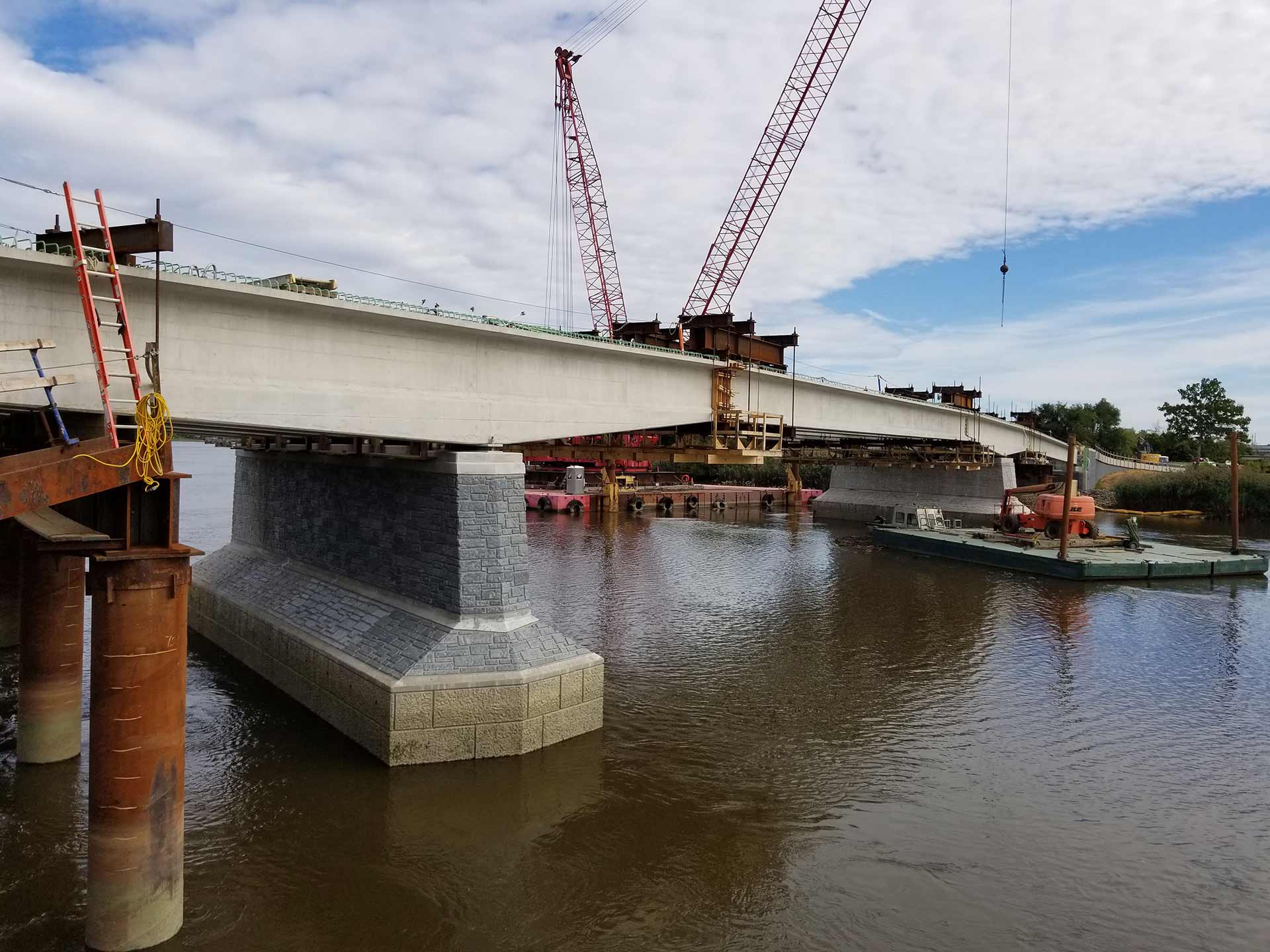
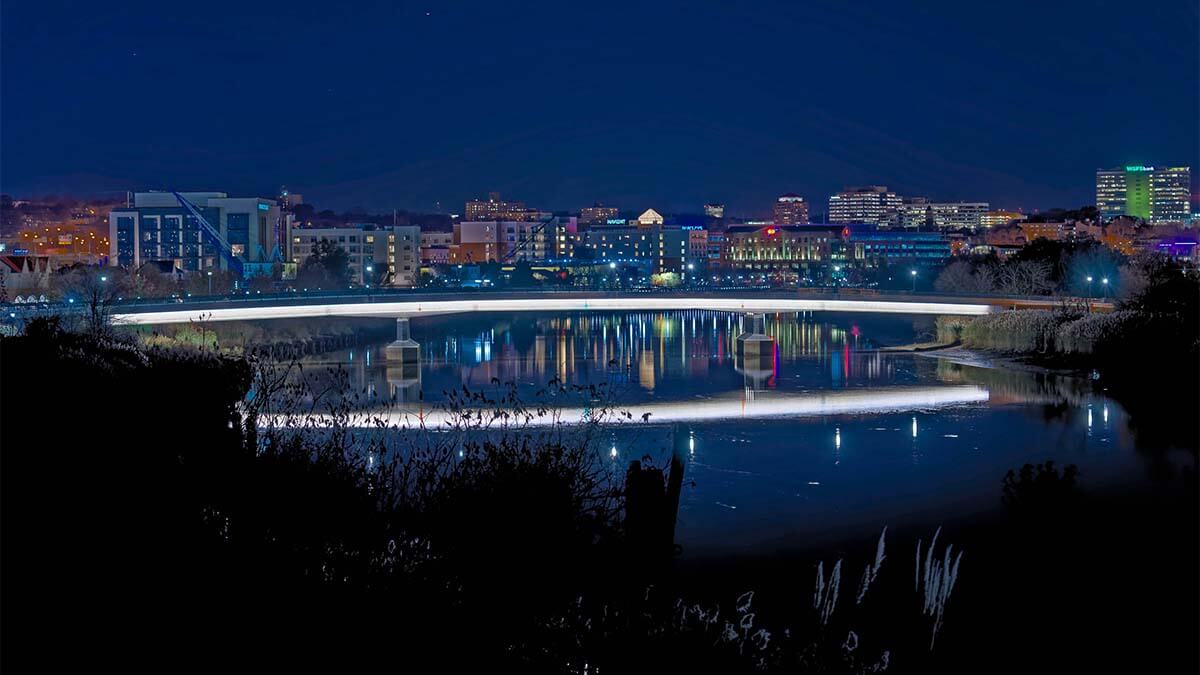
Given this bridge’s prominent location as a focal point on the Riverwalk development, the aesthetics of the structures were deemed quite important. To preserve skyline views of downtown Wilmington, the three-span bridge is straight but skewed at approximately a 65* angle to the river. Concrete surfaces of the bridge piers, abutments, and retaining walls were given aesthetic treatments to create a uniform and appealing appearance.
A 30-foot-wide cast-in-place underpass supported on driven precast concrete piles was constructed, allowing the existing Riverwalk to continue through the bridge approach. The backfill between the abutment and the underpass is low-density, controlled low-strength material, which significantly reduces lateral pressure on the foundations.
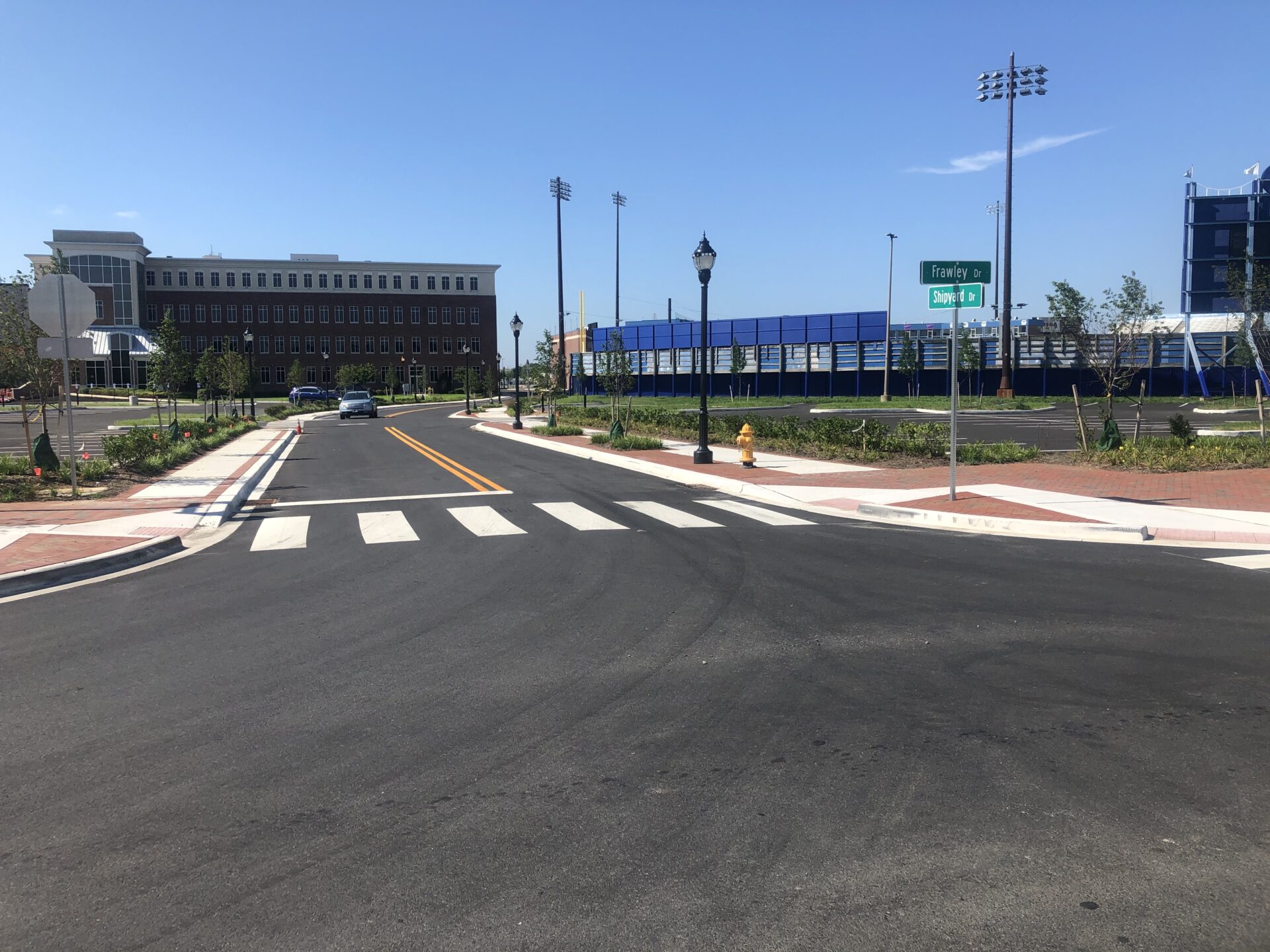
The project created a new Business US 13/Market Street/Walnut Street intersection to serve as a gateway into the City of Wilmington and the riverfront. The new intersection creatively accommodates all modes of transportation, including autos, bicycles, pedestrians, trucks, and transit. RK&K used traffic modeling to secure DelDOT’s approval of the design.
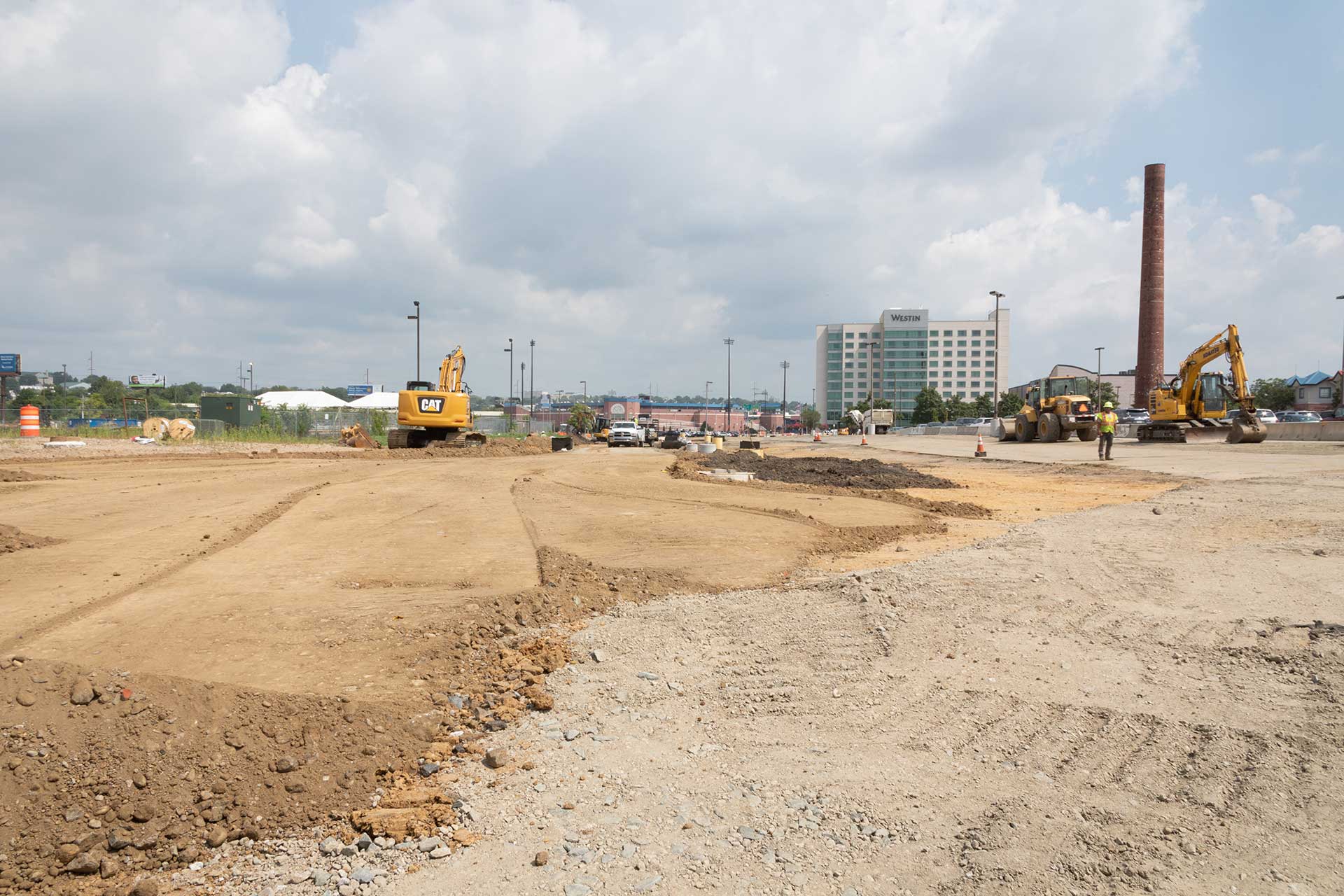
The roadway design involved elevating Market Street by four feet to reduce roadway flooding and improve user safety, but this solution required a complex construction phasing plan. To ensure that Market Street remained accessible to all users while raising the grade of the roadway, RK&K’s construction phasing shifted Walnut Street’s footprint to allow Market Street traffic to continue on the existing pavement while the elevated street was constructed.
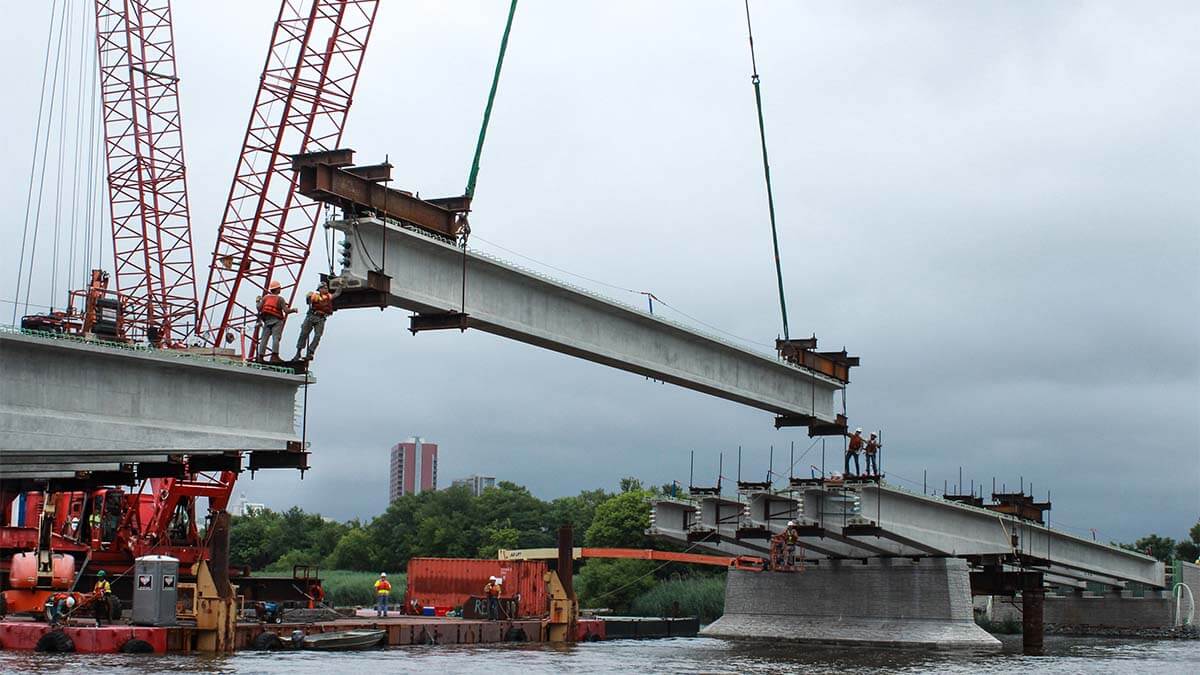
During the design phase, RK&K recommended that the bridge be bid separately from the roadway work. This approach to delivery allowed the bridge construction to begin ahead of the intersection and roadway approaches; reducing the overall construction time by about one year.
You might also be interested in:
Blog

Building Resilience by Protecting Wetlands Across North Carolina